Library
Growing food in Ohio
When to plant, how to grow, and when to harvest 70 crops that finish in Ohio.
Ohio frost dates (zones 5b–6b)
Ohio sits mostly in USDA zones 5b–6b (7a in the far south). Plan around a last spring frost of late April to mid-May and a first fall frost of early to late October. Northern counties run later in spring and earlier in fall; the Ohio River valley is a week or two milder.
Start here
Tomatoes in Ohio
Tomatoes are the crop most Ohio gardeners plan the year around. Start seed indoors in mid-March, set plants after mid-May when nights stay above 50°F, and pick from July until the first October frost. Cherry types ripen first; heirlooms need the full season.
70 crops
Tomatoes
Ohio’s signature summer crop — start indoors, plant after frost.
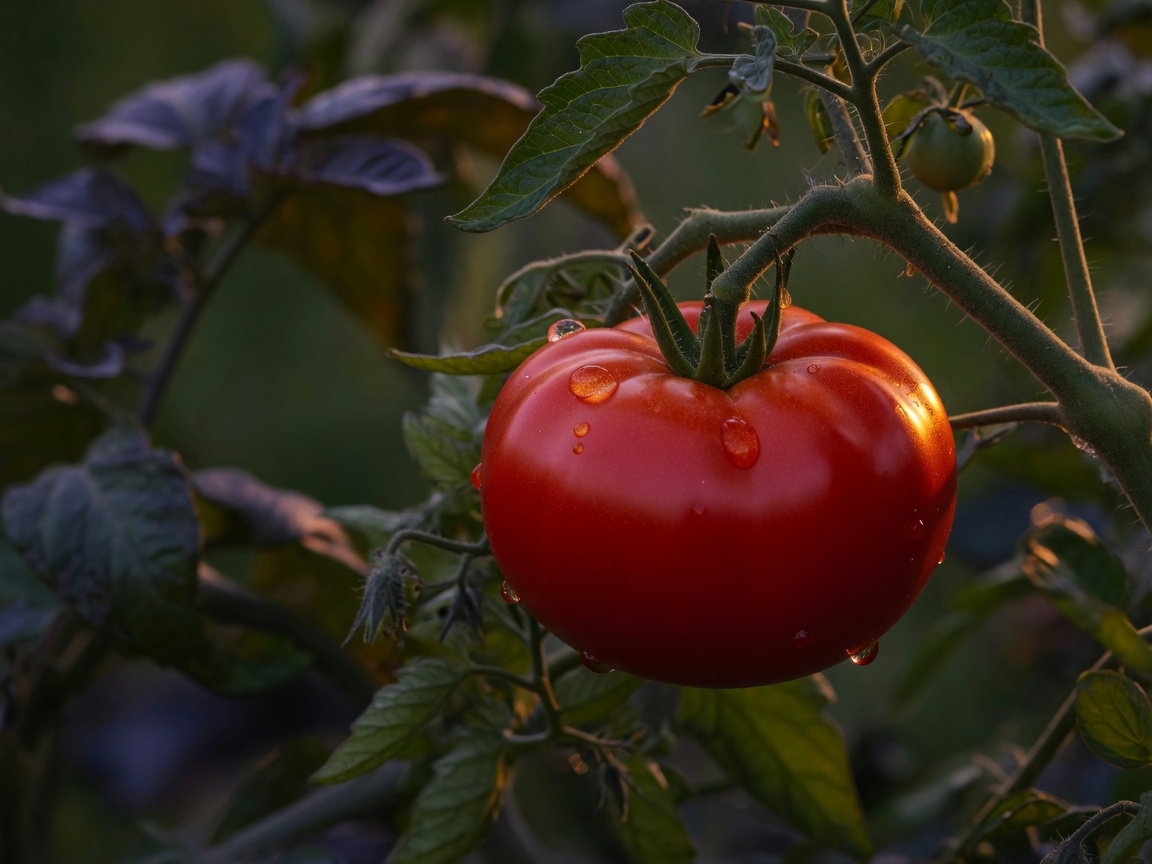
Slicing tomato
warmSolanum lycopersicum
The Ohio garden staple. Determinate types finish in a flush; indeterminates keep producing until frost if you keep them pruned and fed.
- Plant
- Start indoors mid-March; transplant mid-May after nights stay above 50°F
- Harvest
- July through first frost (often mid-October)
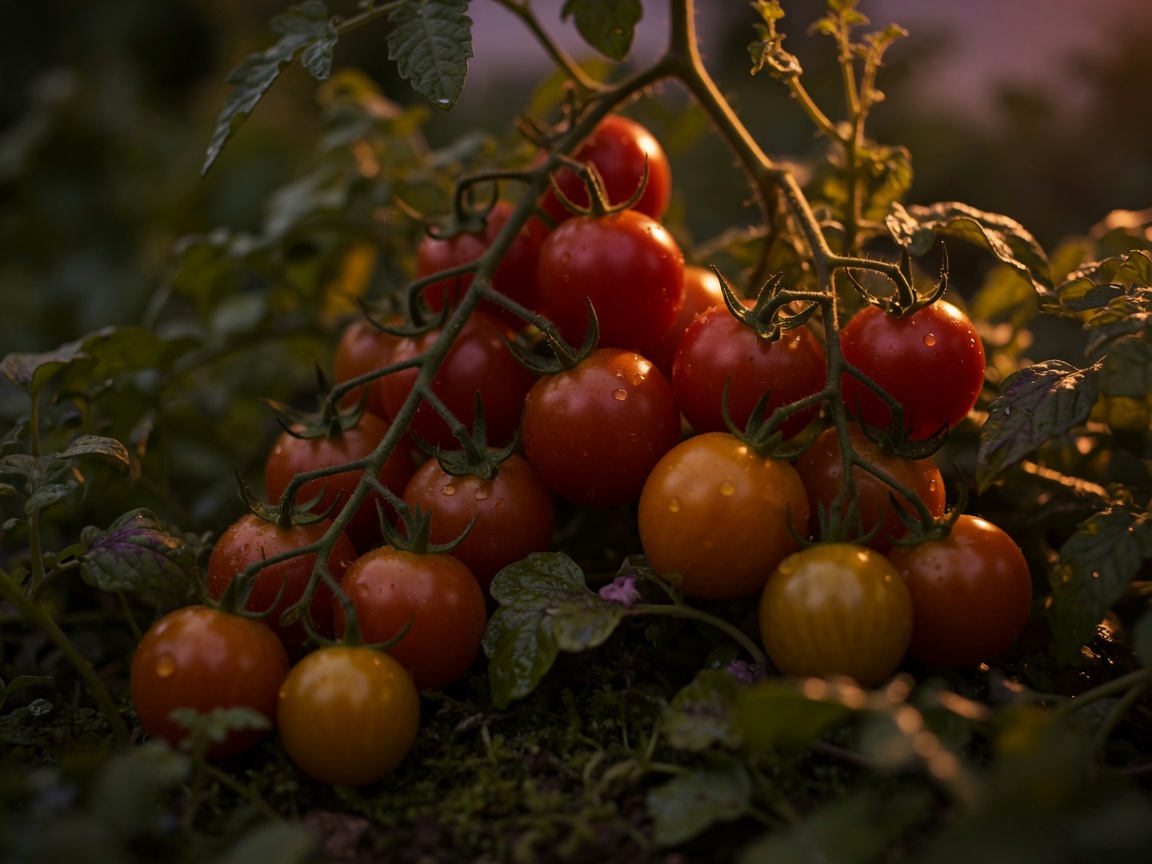
Cherry tomato
warmSolanum lycopersicum var. cerasiforme
Fastest tomato for Ohio. Cherry types ripen before main-season slicers and keep bearing in heat that stalls larger fruit.
- Plant
- Start indoors late March; transplant mid-May
- Harvest
- Late June through frost
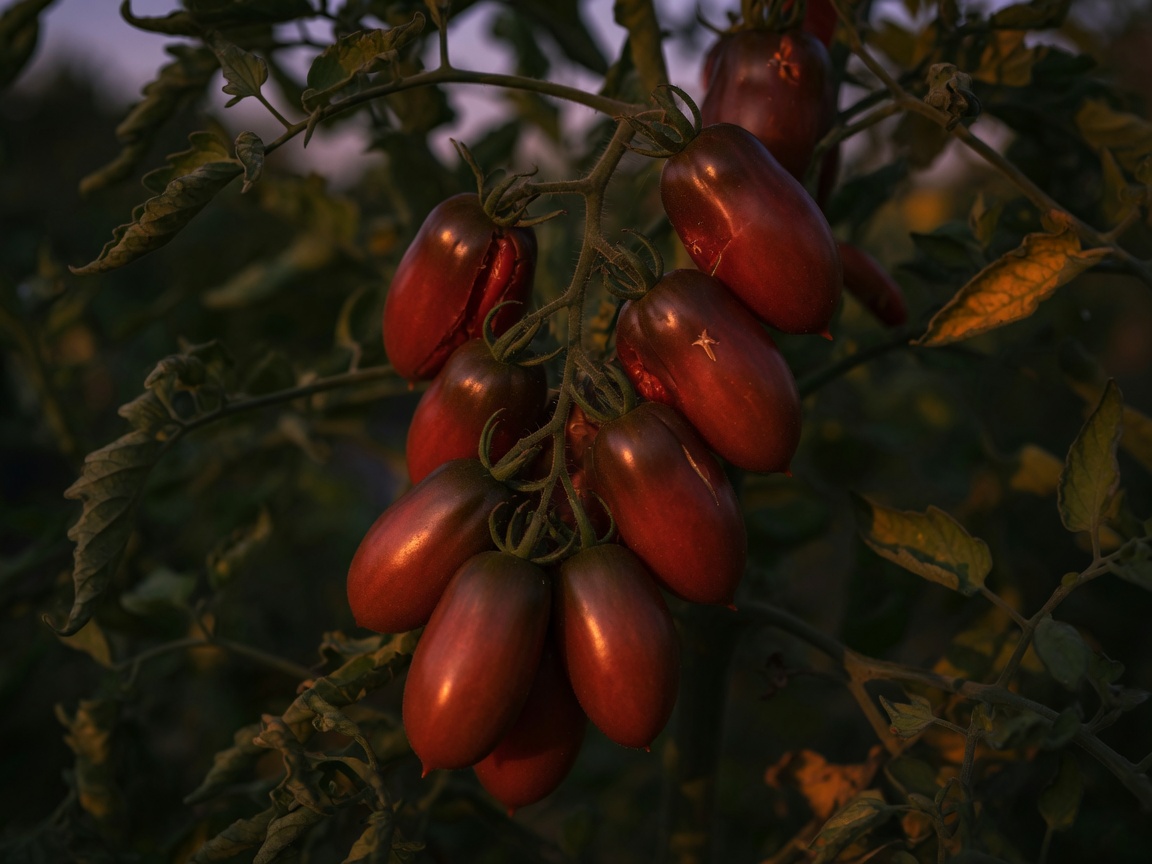
Roma / paste tomato
warmSolanum lycopersicum
Meatier fruit with less water—built for sauce, salsa, and canning. A single Ohio planting can fill the pantry.
- Plant
- Start indoors mid-March; transplant mid-May
- Harvest
- Late July through September
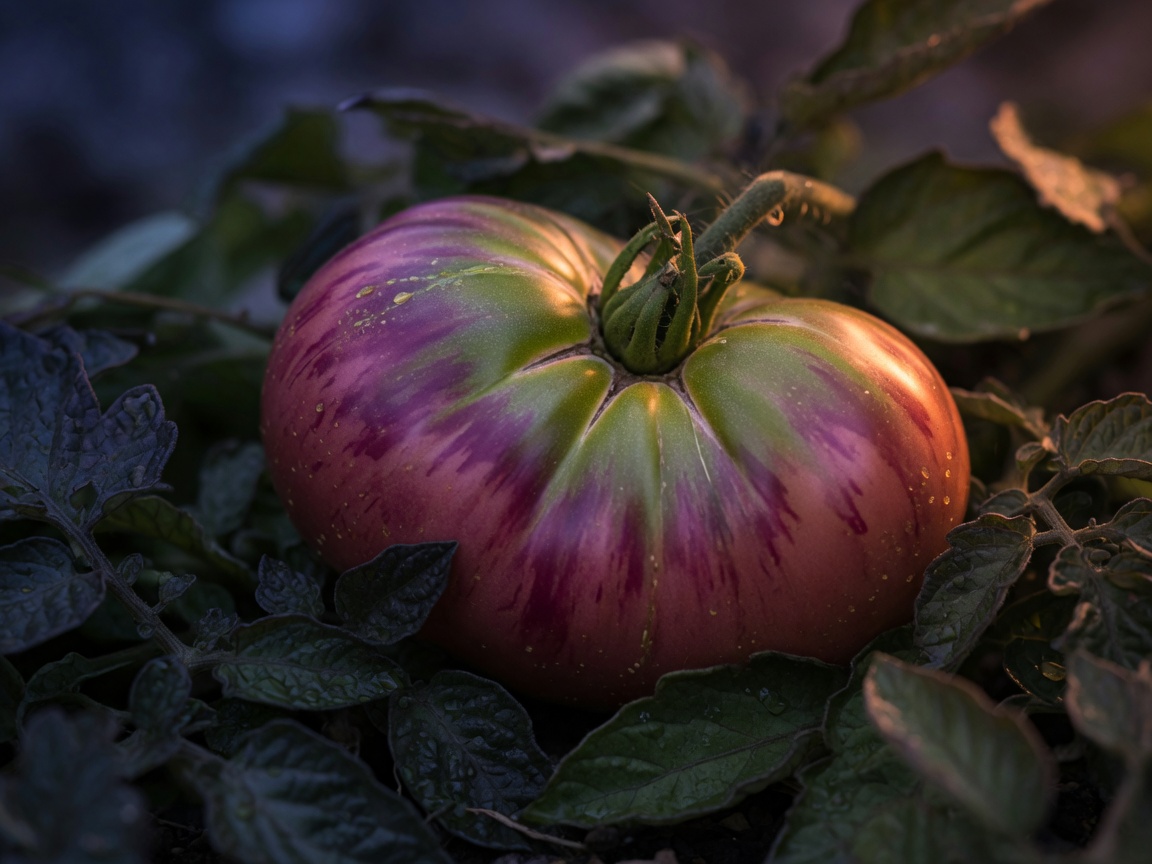
Heirloom tomato
warmSolanum lycopersicum
Brandywine, Cherokee Purple, and other open-pollinated types shine in Ohio if you give them a long start and dry leaves.
- Plant
- Start indoors early to mid-March; transplant after soil is warm
- Harvest
- August through frost
Fruiting vegetables
Peppers, eggplant, okra, and other heat lovers.
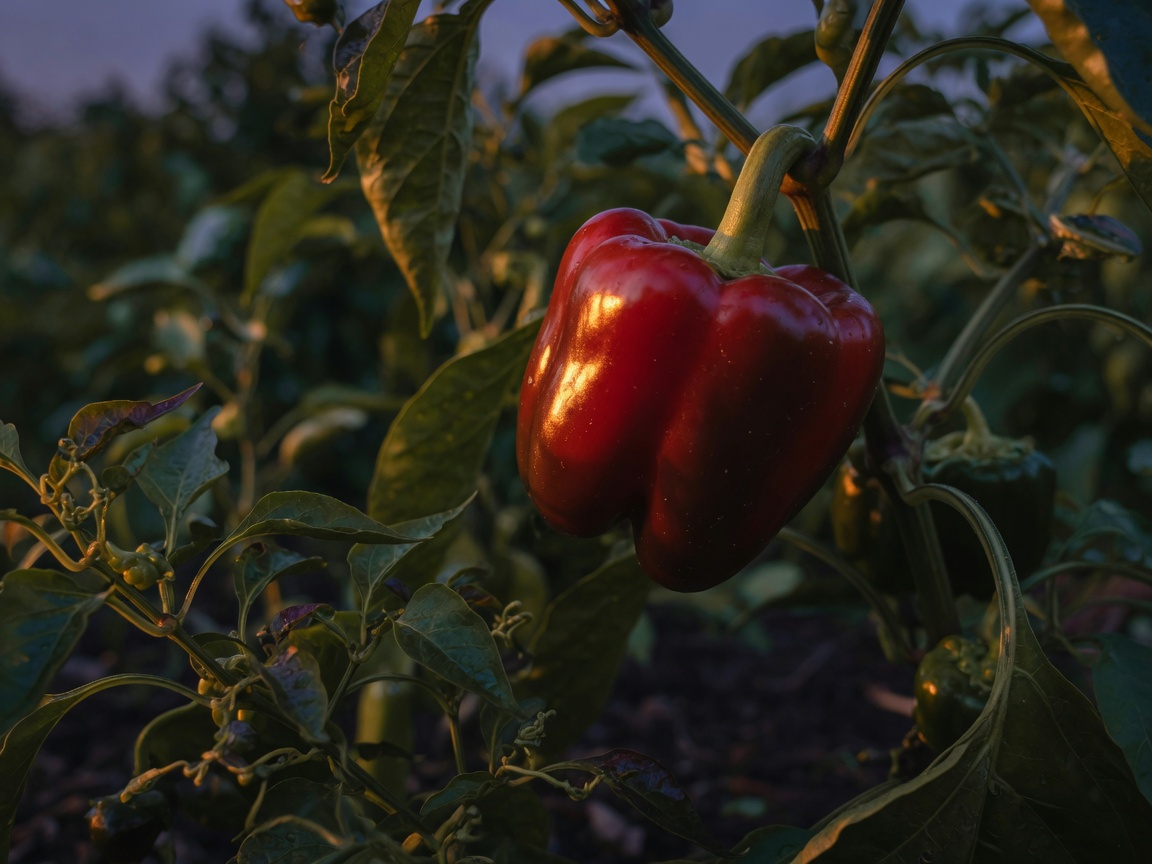
Bell pepper
warmCapsicum annuum
Peppers want more heat than tomatoes. In Ohio, black plastic or a dark mulch in May makes the difference.
- Plant
- Start indoors early March; transplant late May
- Harvest
- July through frost; colored bells need extra weeks
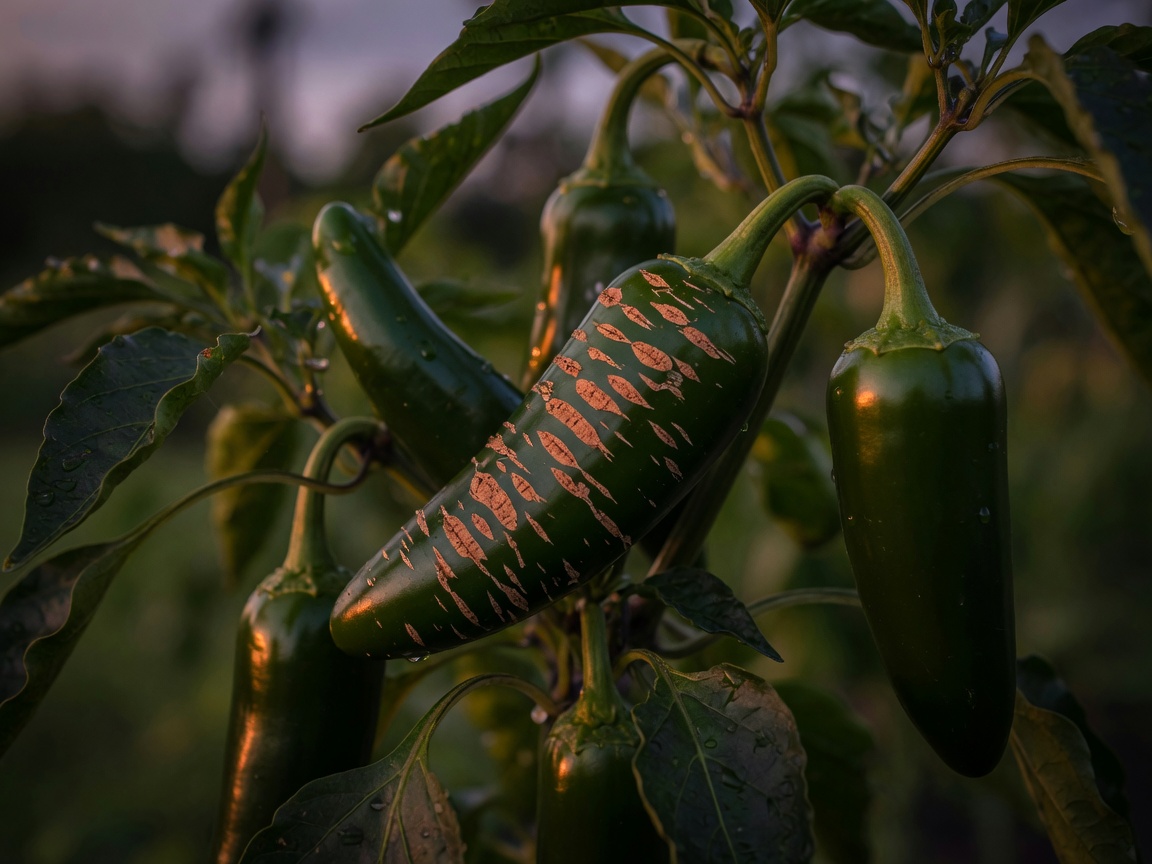
Jalapeño
warmCapsicum annuum
The most reliable hot pepper in Ohio. Sets fruit in Midwestern summers that can stall larger bells.
- Plant
- Start indoors March; transplant late May
- Harvest
- July through frost
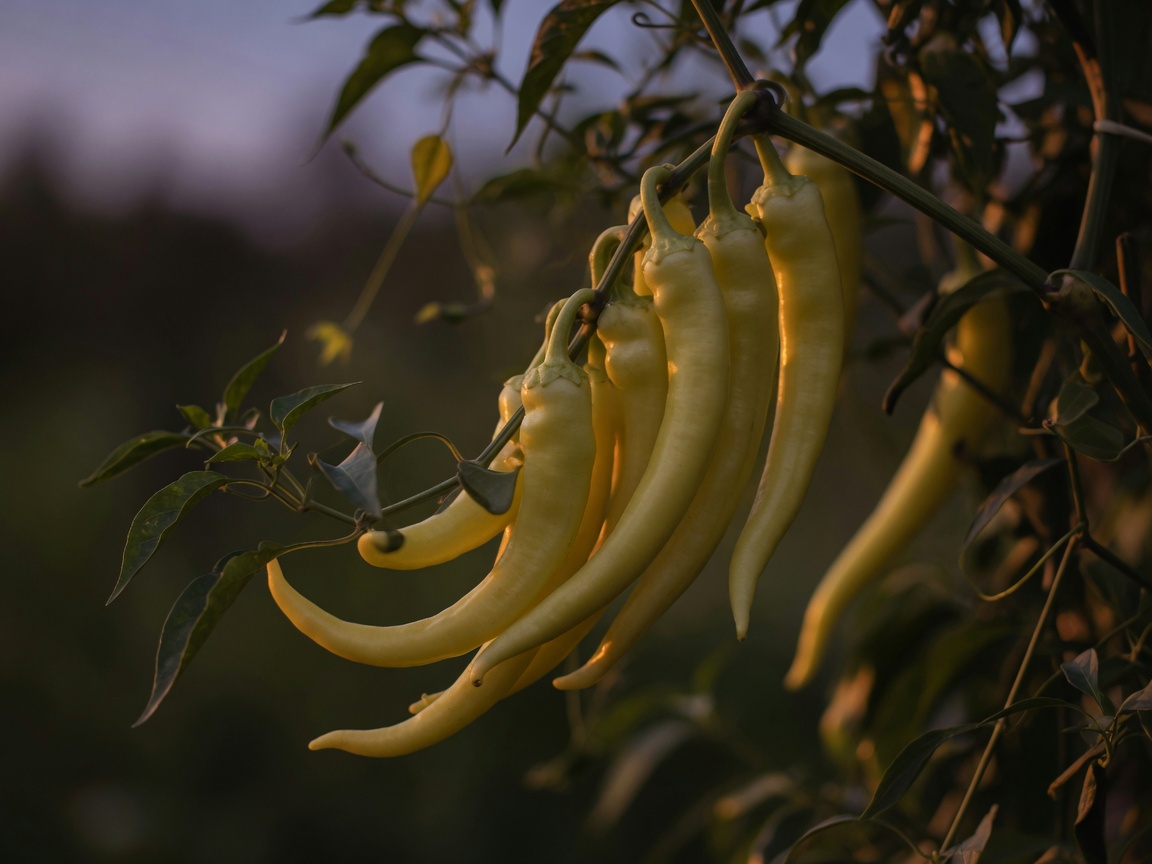
Banana pepper
warmCapsicum annuum
Sweet or mild-hot frying peppers that ripen earlier than bells and pickle well.
- Plant
- Start indoors March; transplant late May
- Harvest
- July through frost
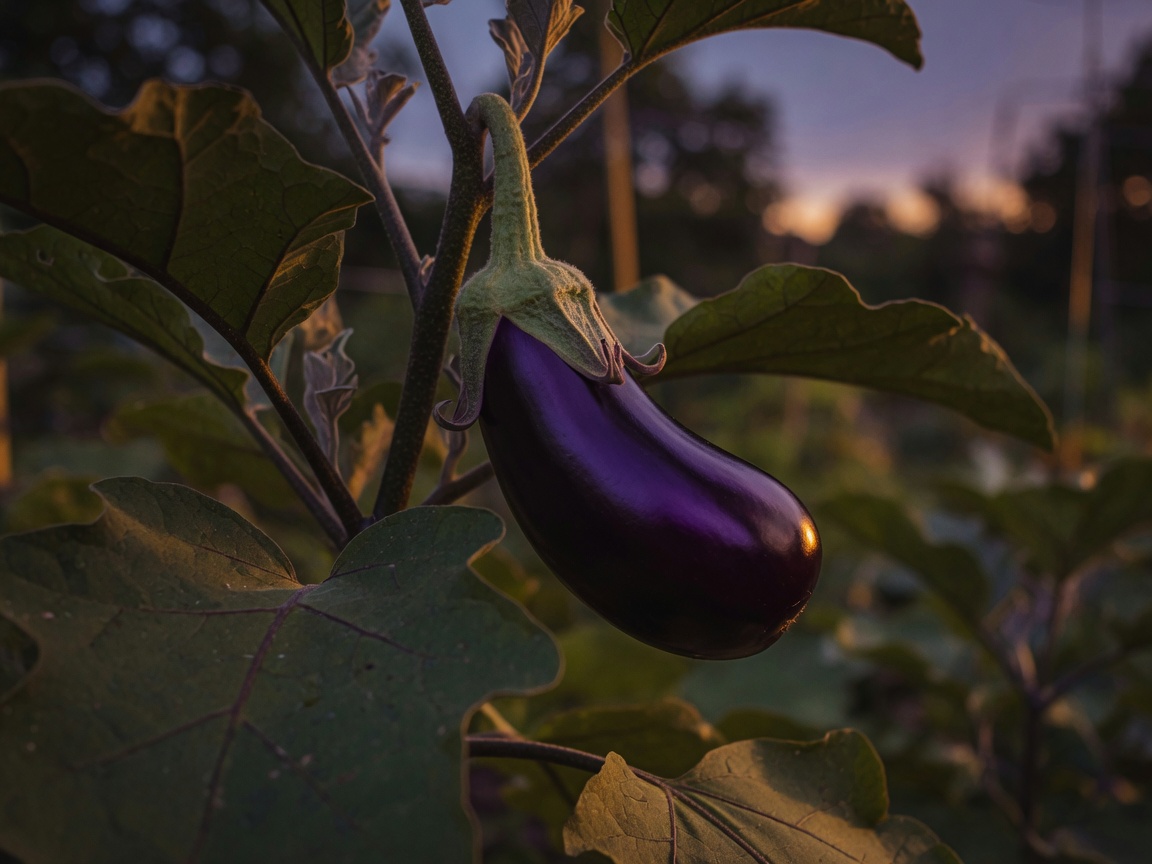
Eggplant
warmSolanum melongena
A true heat crop. Asian and smaller Italian types finish more reliably than giant globe types in Ohio.
- Plant
- Start indoors early March; transplant late May to early June
- Harvest
- Late July through September
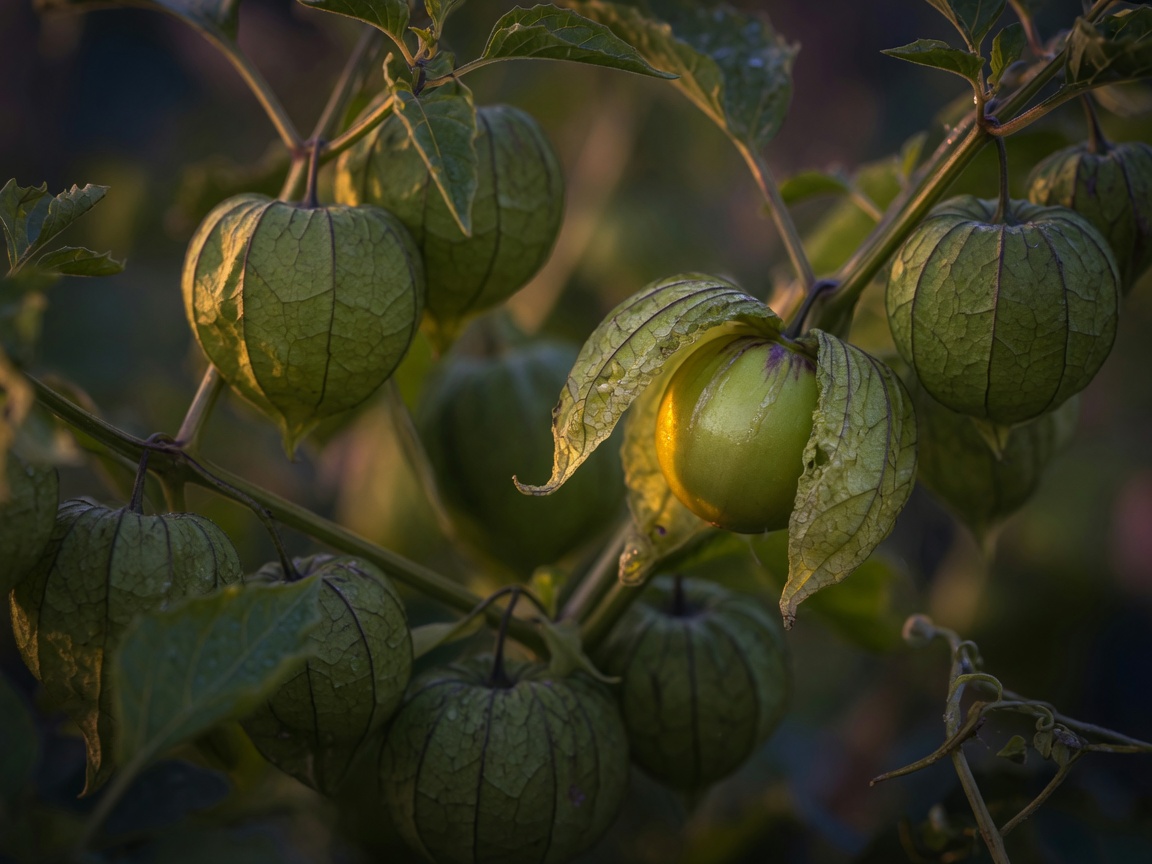
Tomatillo
warmPhysalis philadelphica
Husk tomatoes for salsa verde. Plant at least two—they need a partner to set fruit.
- Plant
- Start indoors late March; transplant mid-May
- Harvest
- August through frost
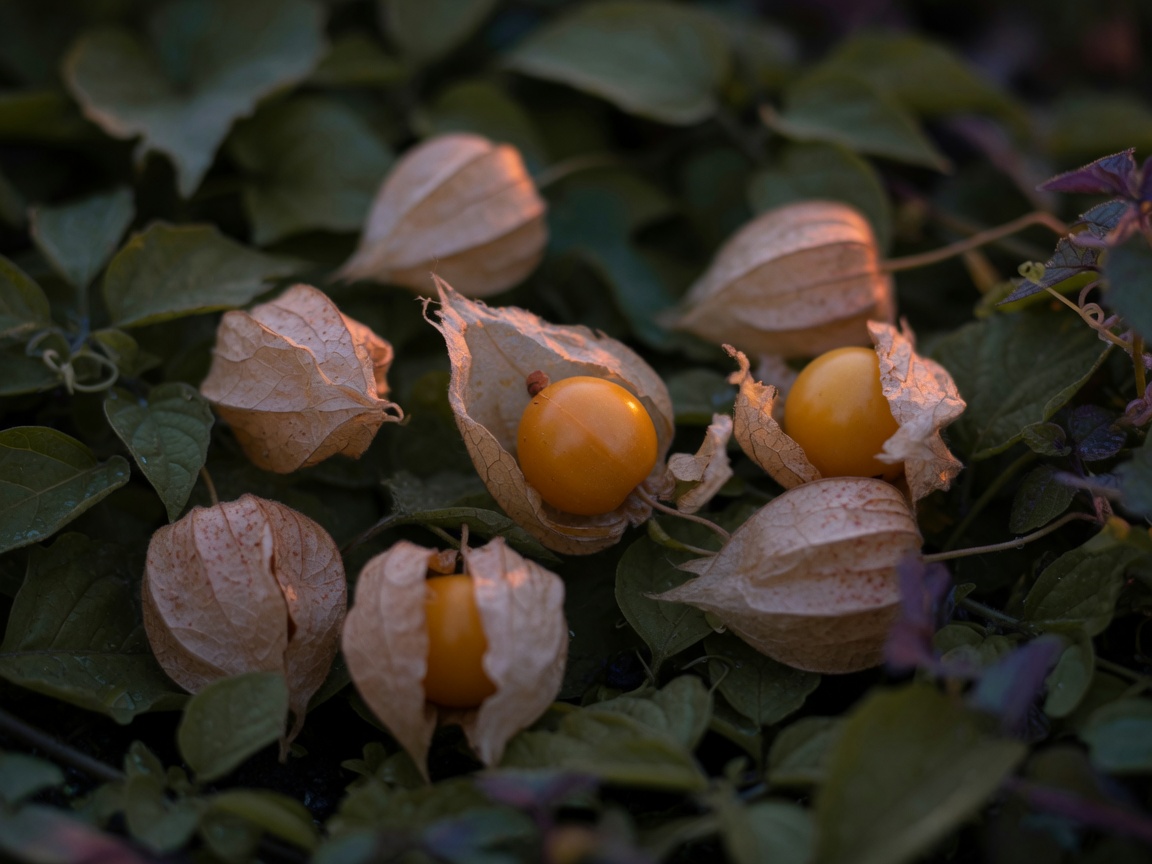
Ground cherry
warmPhysalis pruinosa
Pineapple-sweet husk fruit that volunteers readily in Ohio gardens once established.
- Plant
- Start indoors April; transplant late May
- Harvest
- August through frost, as husks drop
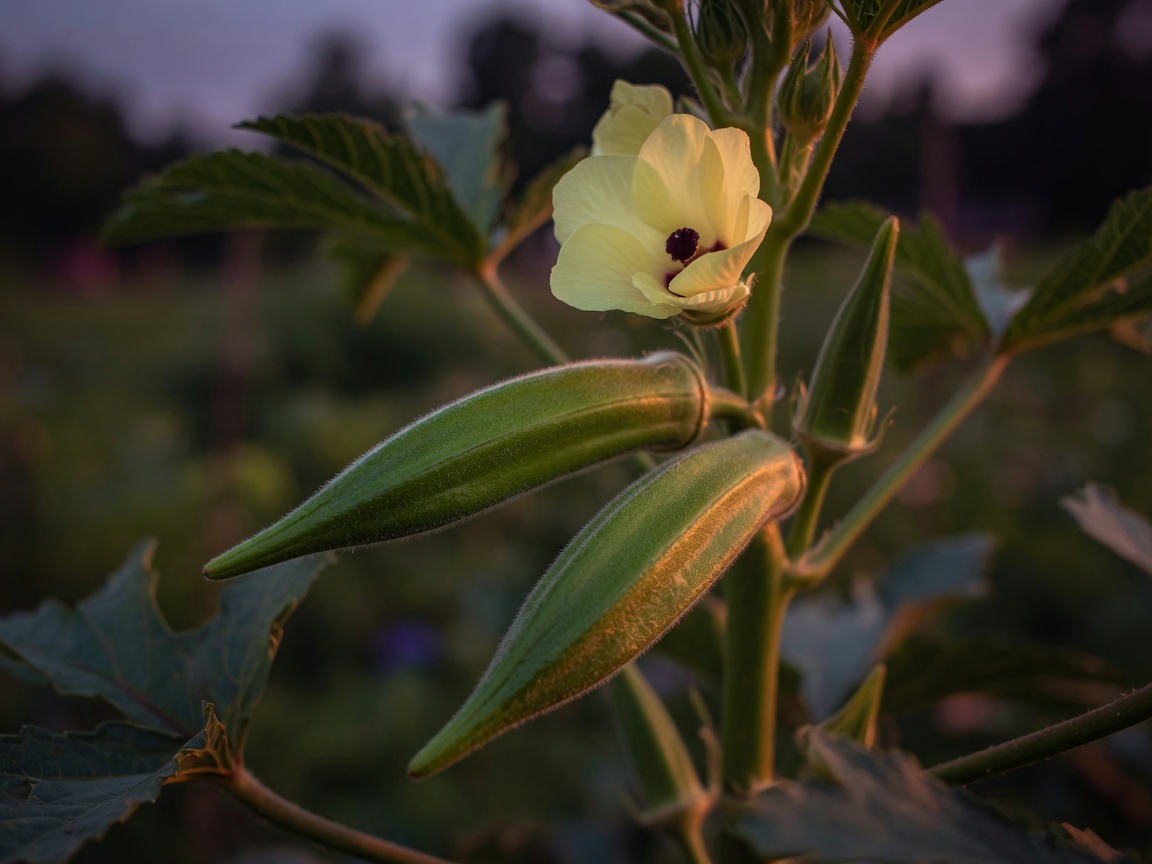
Okra
warmAbelmoschus esculentus
Loves Ohio’s July and August. Plants stall in cool June and then take off.
- Plant
- Direct sow or transplant after soil is 70°F, usually early June
- Harvest
- July through frost; pick every 1–2 days
Cucurbits
Cucumbers, squash, pumpkins, and melons.
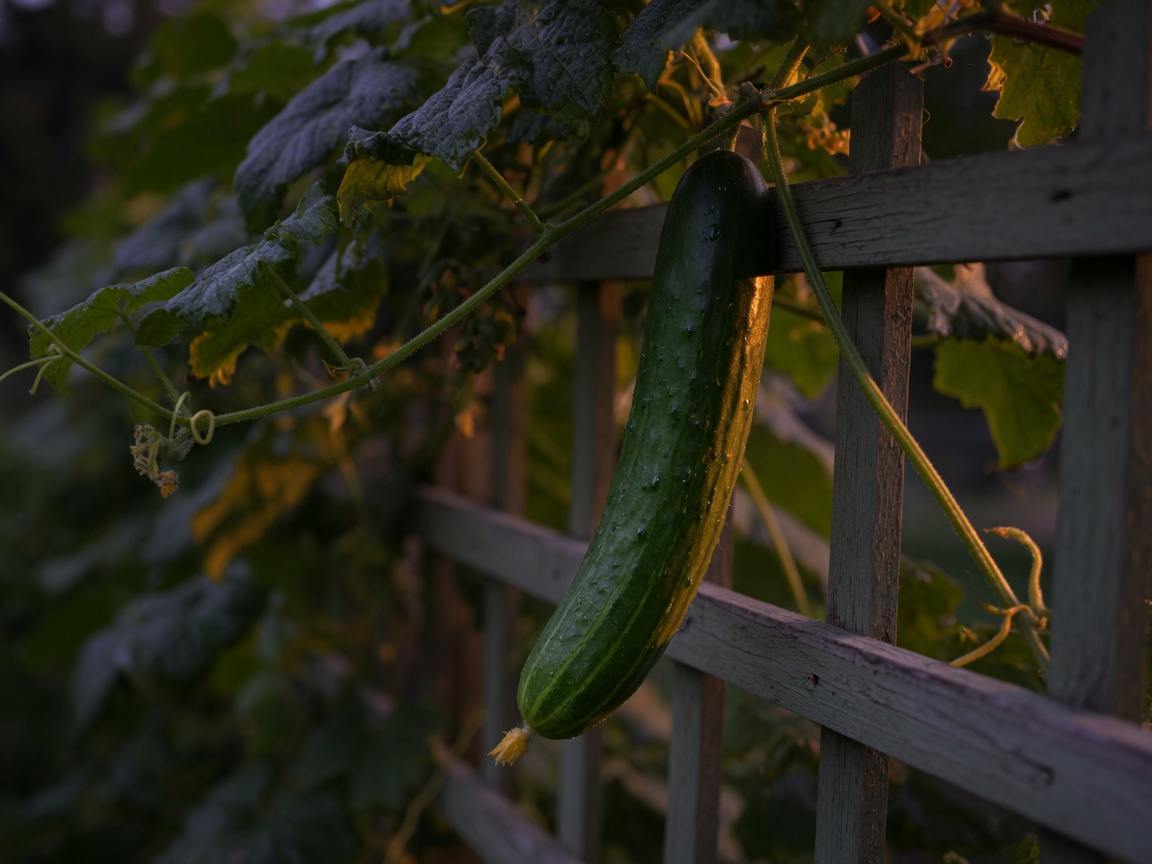
Slicing cucumber
warmCucumis sativus
Fast summer crop. Trellised vines stay cleaner in Ohio’s humid Julys and make straighter fruit.
- Plant
- Direct sow or transplant late May; succession in late June
- Harvest
- July through September
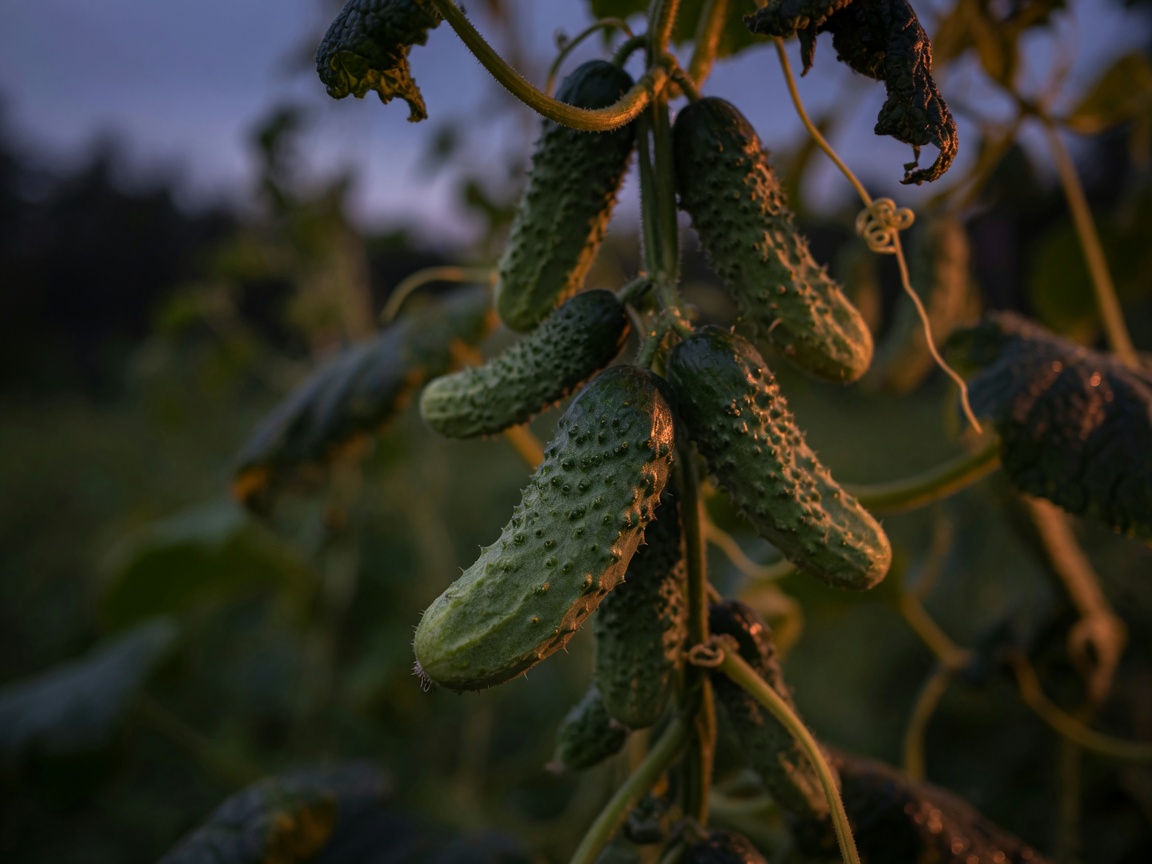
Pickling cucumber
warmCucumis sativus
Blocky, thin-skinned fruit for dills and bread-and-butters. A second sowing in June carries you through canning season.
- Plant
- Direct sow late May and again late June
- Harvest
- July through early September
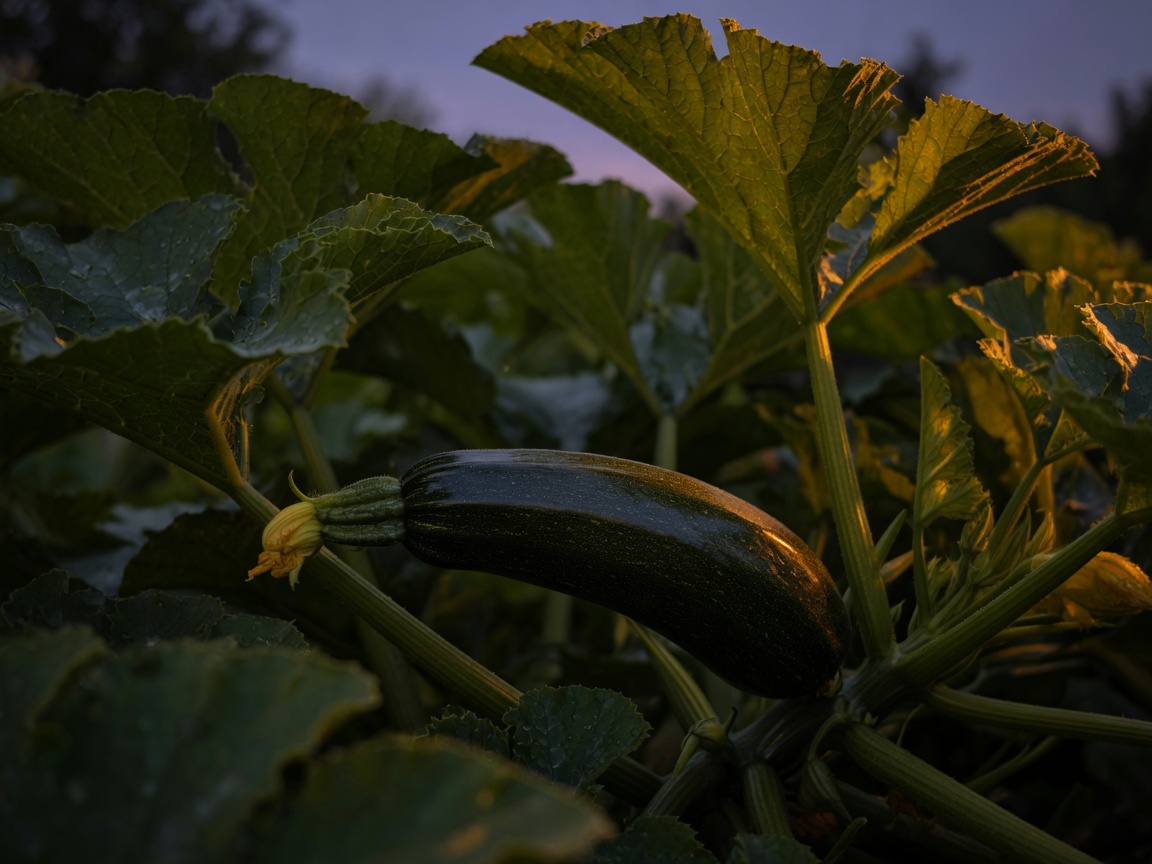
Zucchini
warmCucurbita pepo
Almost too productive in Ohio. Two or three plants feed a family.
- Plant
- Direct sow late May; optional second sowing early July
- Harvest
- Late June through September
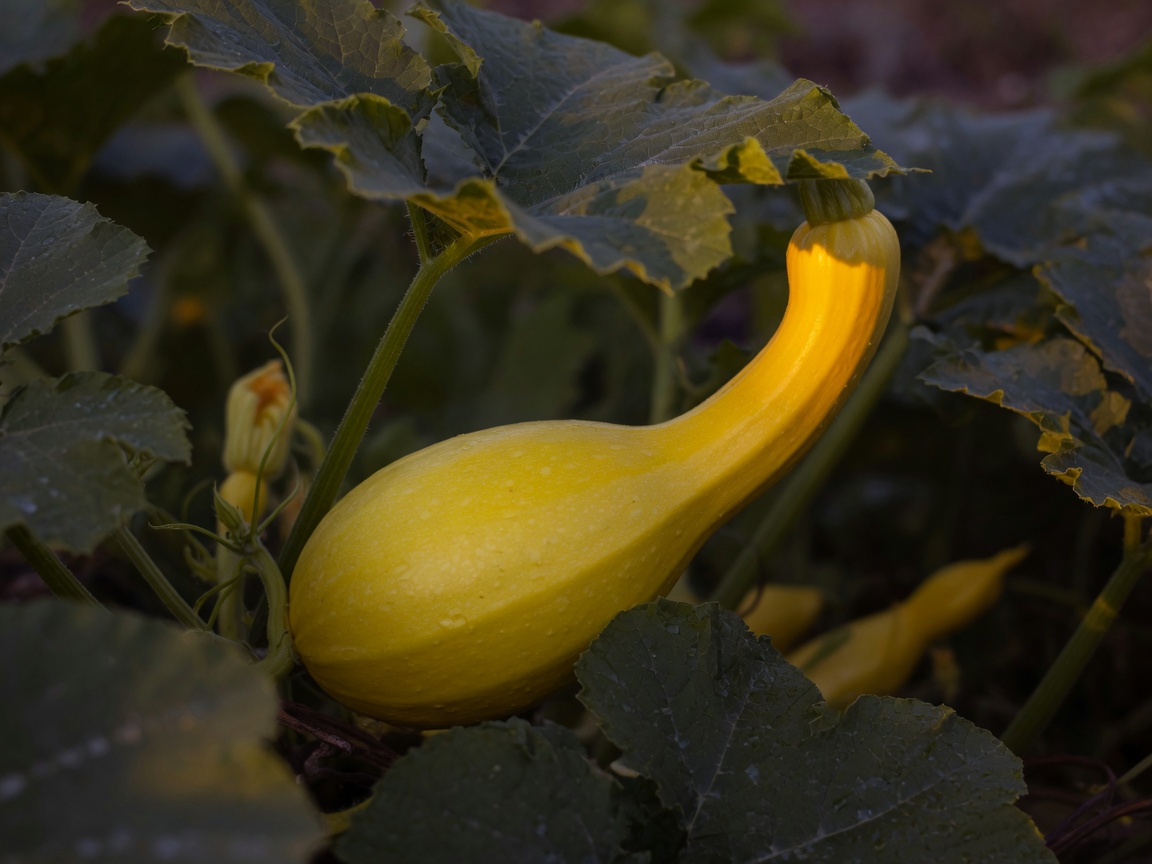
Yellow summer squash
warmCucurbita pepo
Straightneck and crookneck types match zucchini’s calendar and share the same pests.
- Plant
- Direct sow late May
- Harvest
- July through September
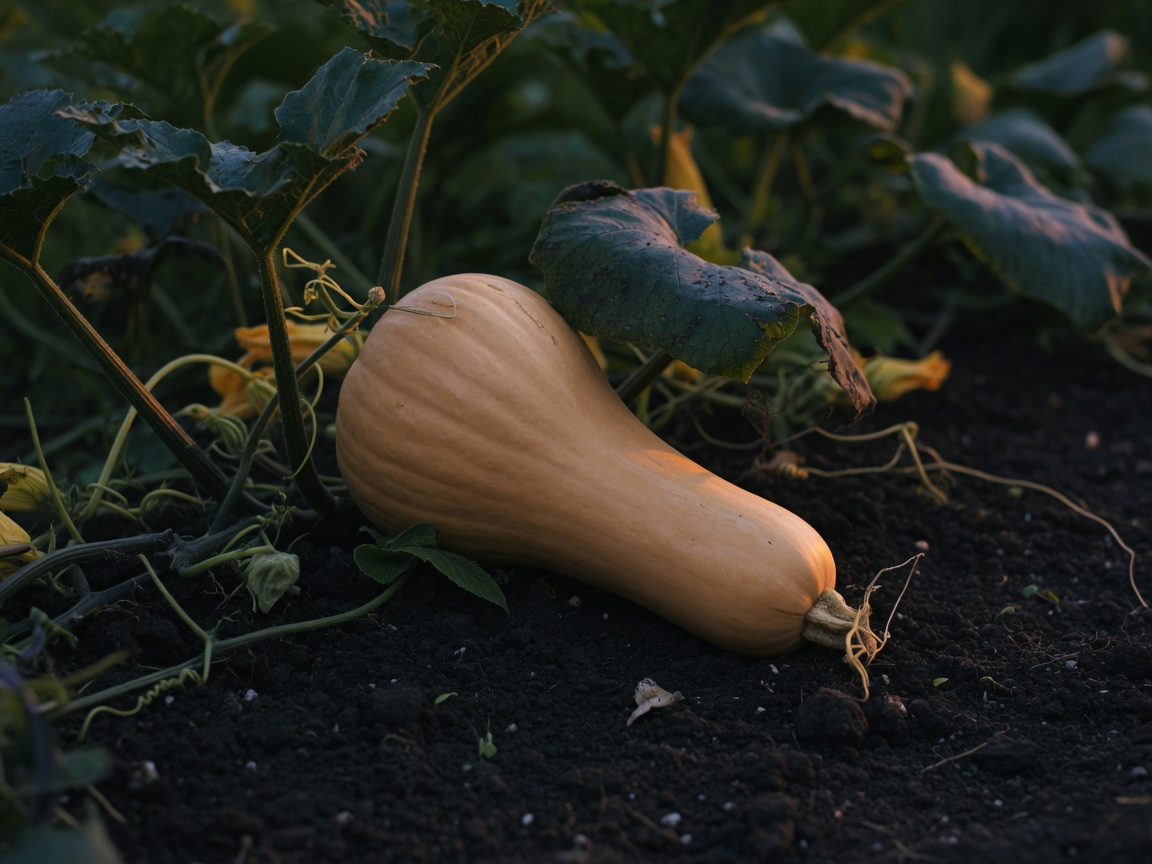
Butternut squash
warmCucurbita moschata
The most reliable winter squash in Ohio. Moschata types shrug off vine borer better than pepo types.
- Plant
- Direct sow late May to early June
- Harvest
- September to first hard frost
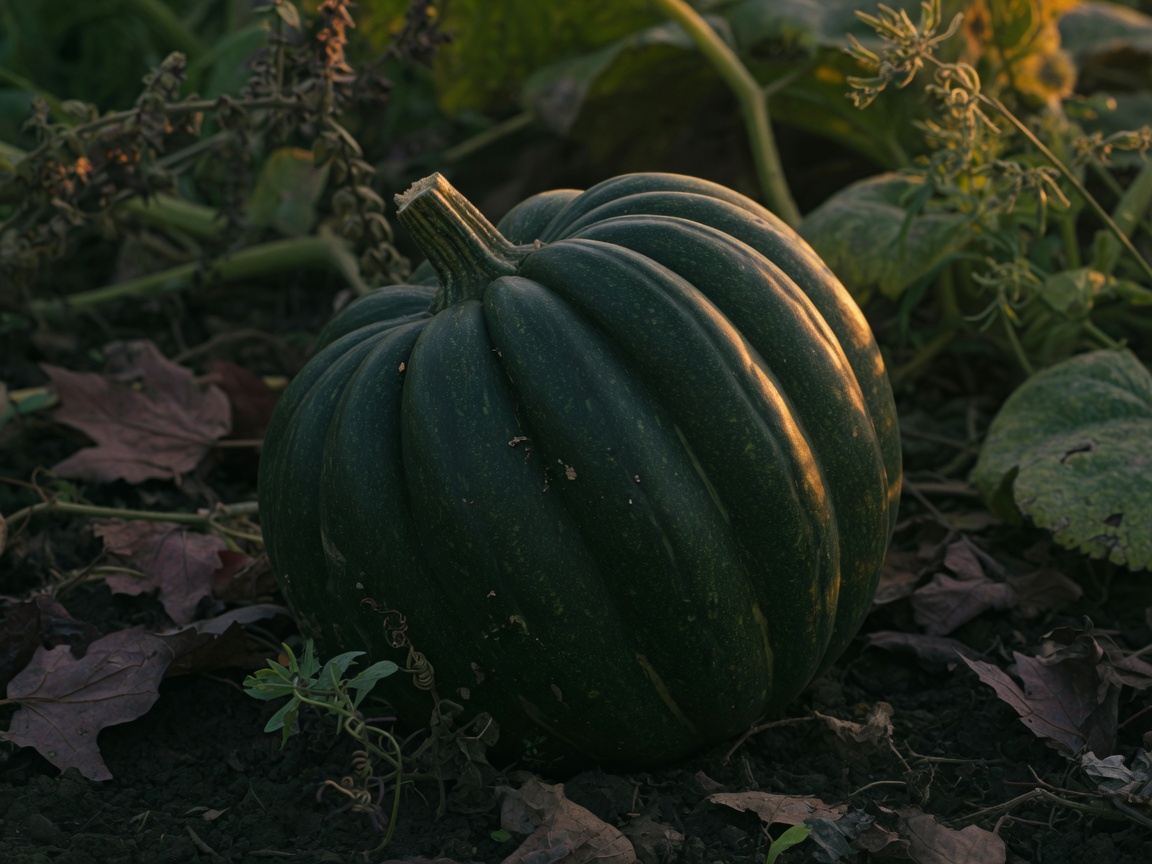
Acorn squash
warmCucurbita pepo
Earlier than butternut and a good fit for shorter northern-Ohio seasons.
- Plant
- Direct sow late May
- Harvest
- September
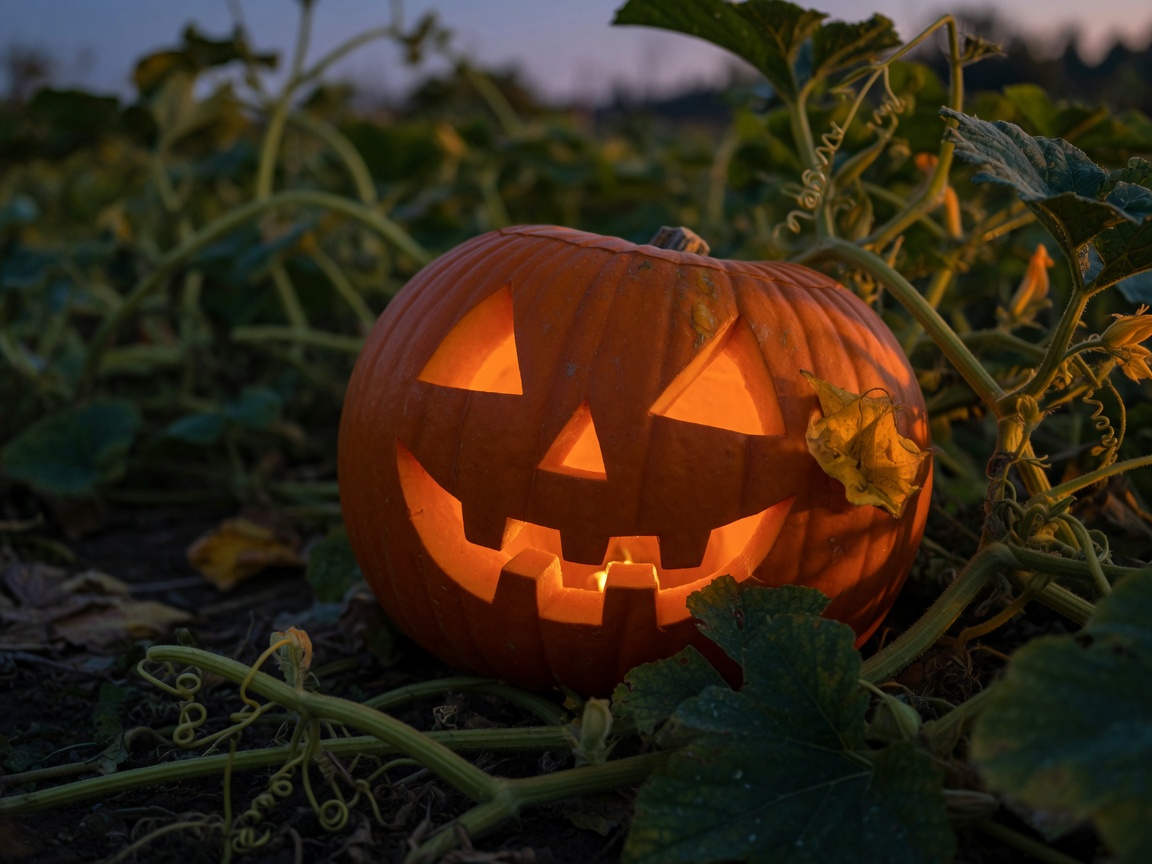
Pumpkin
warmCucurbita pepo
Jack-o’-lanterns and pie pumpkins both finish in Ohio if you plant by early June.
- Plant
- Direct sow late May to June 10
- Harvest
- Late September through mid-October
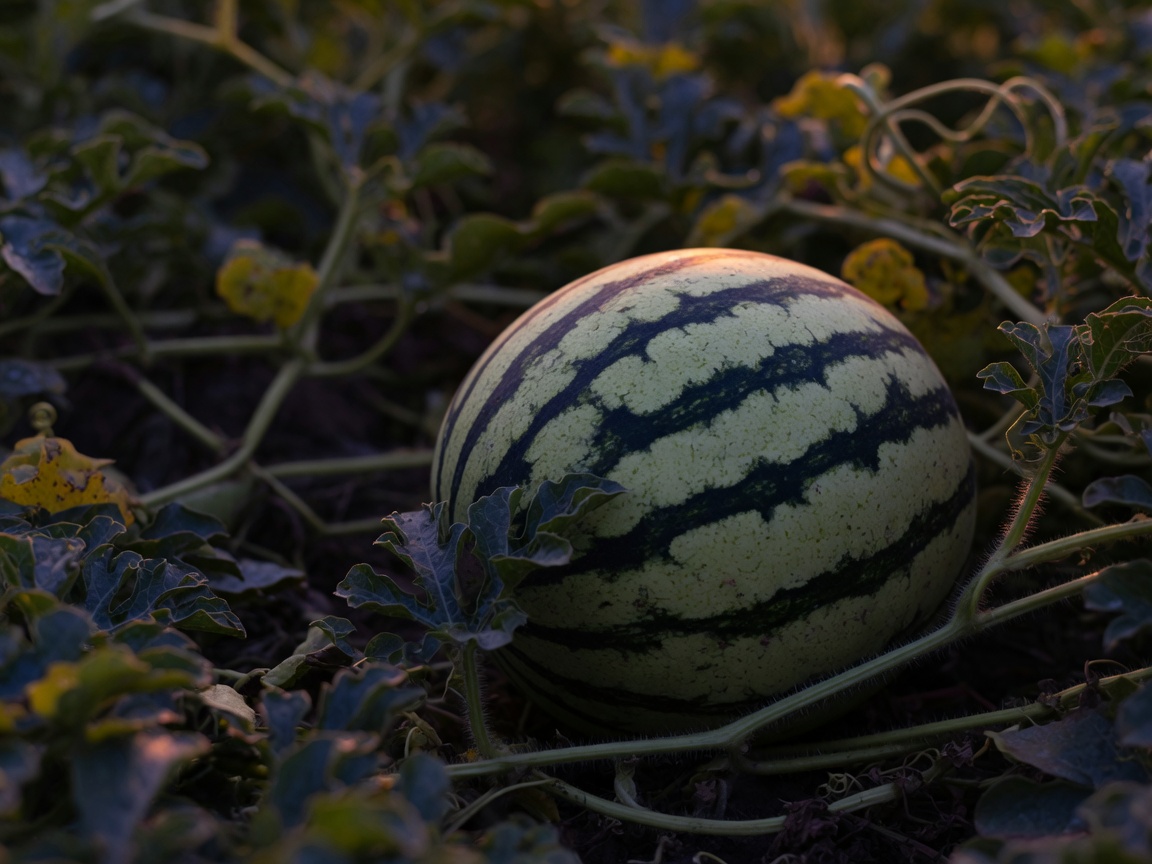
Watermelon
warmCitrullus lanatus
Icebox and short-season varieties (Sugar Baby, Blacktail Mountain) are the safe Ohio bet. Giant types need southern counties.
- Plant
- Start indoors late April or direct sow after June 1 in warm soil
- Harvest
- August through mid-September
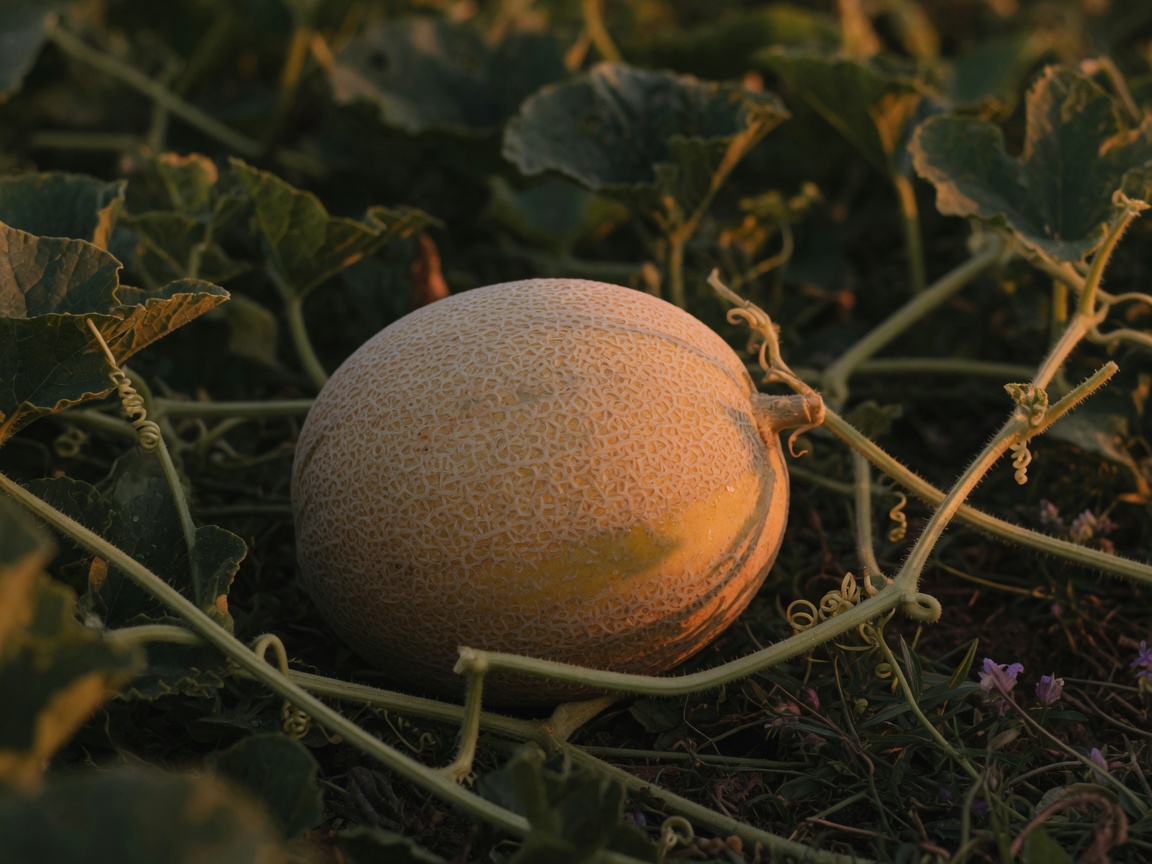
Cantaloupe / muskmelon
warmCucumis melo
Athena and similar Eastern types were bred for Midwestern humidity and finish well across Ohio.
- Plant
- Transplant or direct sow late May to early June
- Harvest
- August
Beans & peas
Cool-season peas and summer beans, including edamame.
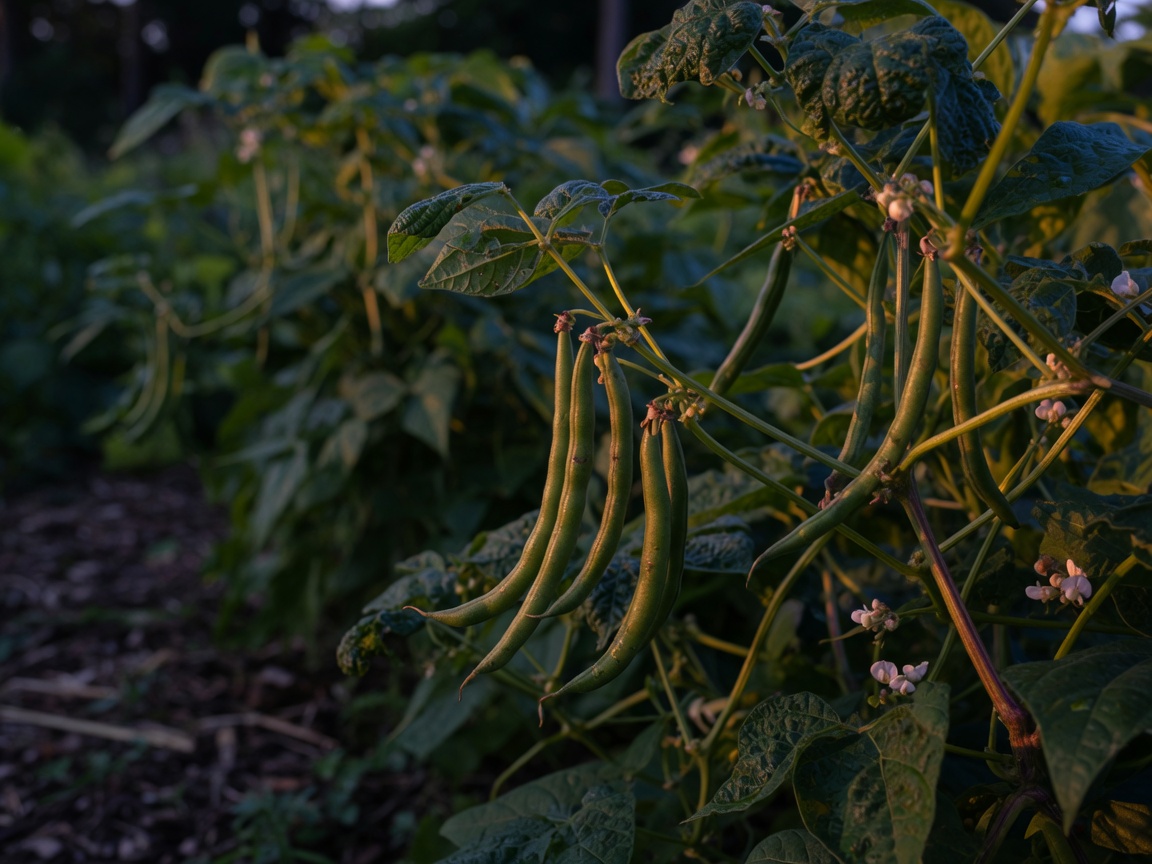
Bush green beans
warmPhaseolus vulgaris
The easiest Ohio protein crop. No indoor start, no trellis, and a second sowing in July replaces tired July plants.
- Plant
- Direct sow mid-May; succession every 2–3 weeks through mid-July
- Harvest
- July through September
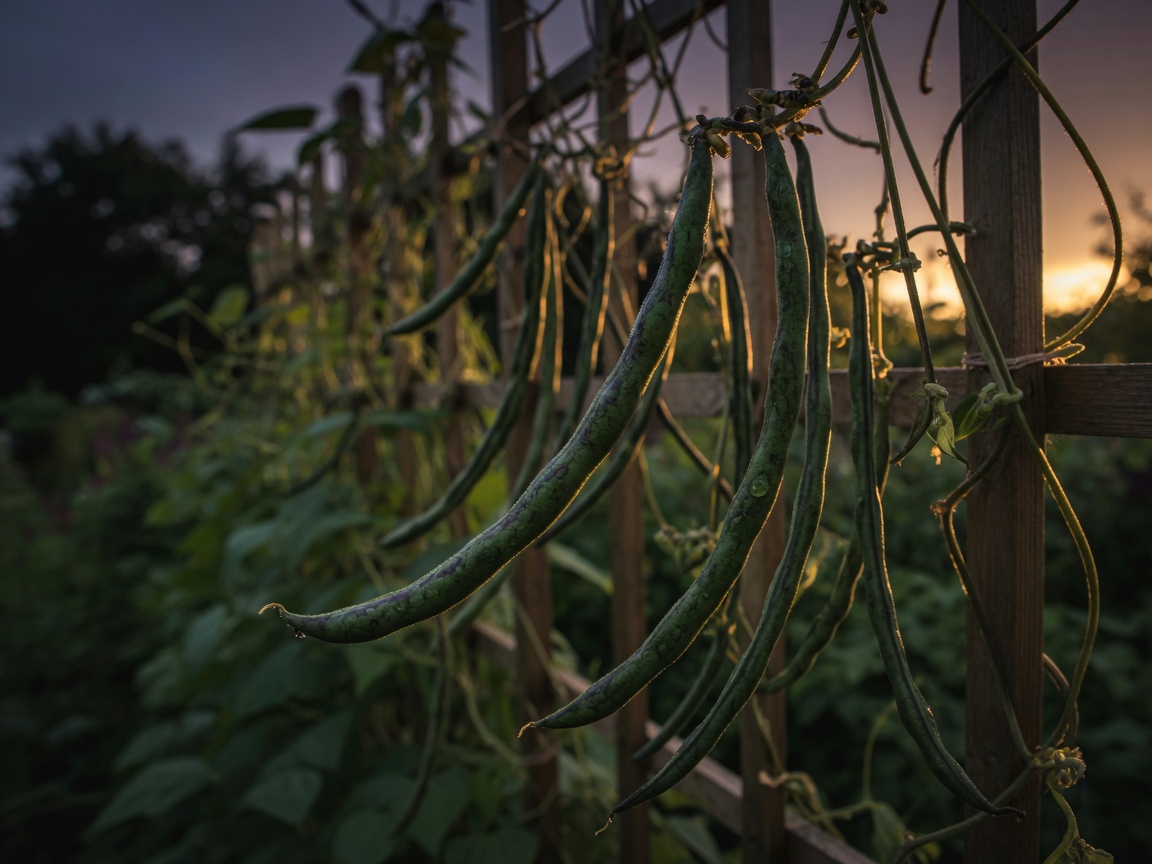
Pole beans
warmPhaseolus vulgaris
One planting climbs all summer. Better fresh flavor than most bush types, and they keep producing after bush beans fade.
- Plant
- Direct sow late May at the base of a 6–8 ft trellis
- Harvest
- July until frost
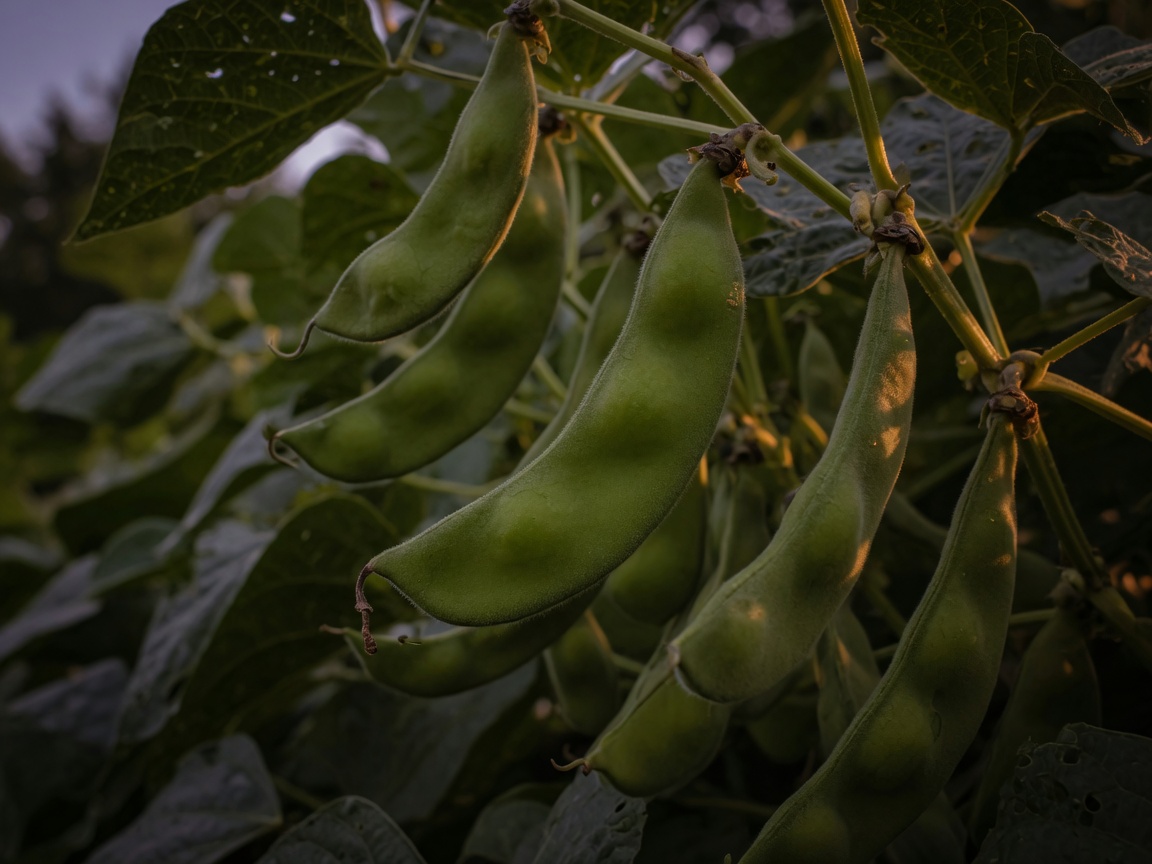
Lima beans
warmPhaseolus lunatus
A heat crop. Bush baby limas are more realistic in northern Ohio than long-season pole types.
- Plant
- Direct sow early June when soil is truly warm
- Harvest
- August through September
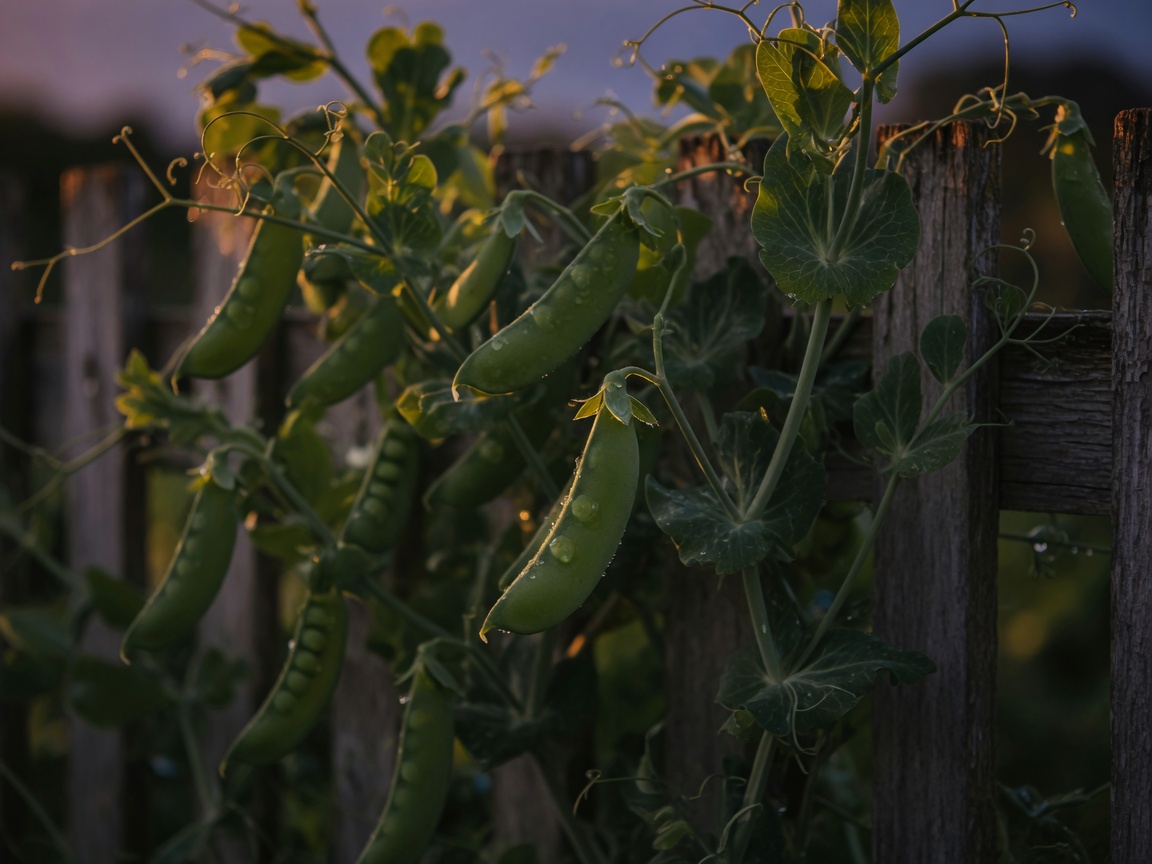
Garden peas
coolPisum sativum
A classic Ohio spring crop. Peas hate July. Get them in as soon as the garden thaws.
- Plant
- Direct sow as soon as soil can be worked, March to early April; fall crop late July
- Harvest
- Late May through June; fall crop in October
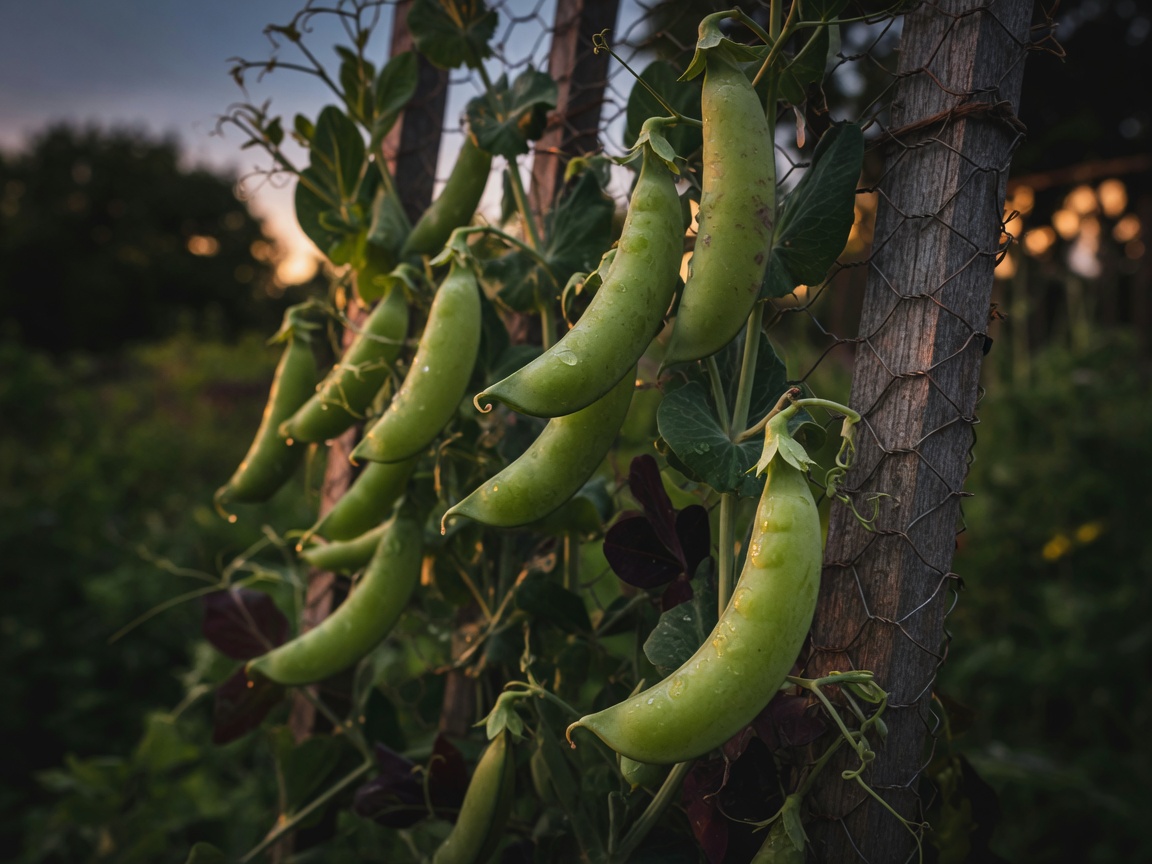
Snap peas
coolPisum sativum var. macrocarpon
Eat the whole pod. Sugar Ann (short) and Sugar Snap (tall) are Ohio standards.
- Plant
- Direct sow March to early April
- Harvest
- Late May through June
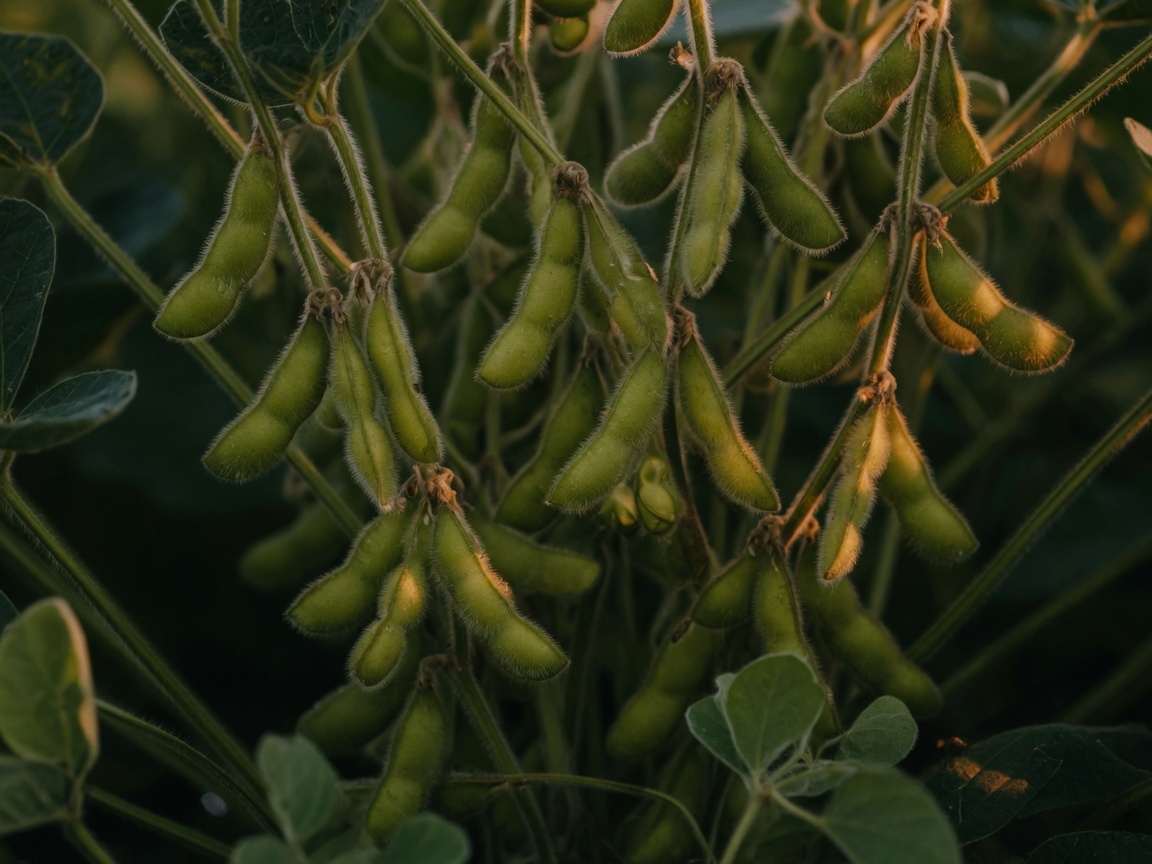
Edamame
warmGlycine max
Vegetable soybeans love Ohio summers. One 10-ft row is a serious freezer crop.
- Plant
- Direct sow late May to early June
- Harvest
- August to mid-September, when pods are green and filled
Leafy greens
Spring and fall salads, kale, and chard.
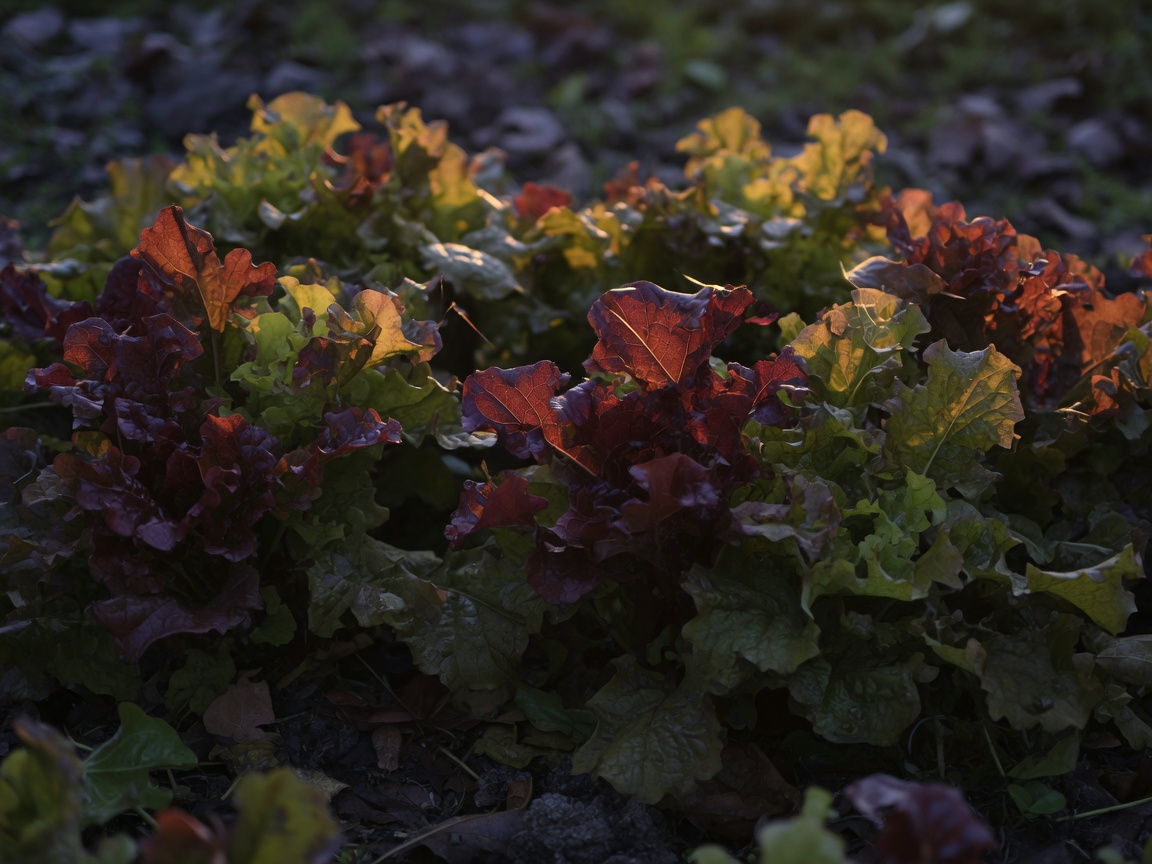
Leaf lettuce
coolLactuca sativa
Ohio’s easiest salad crop. Spring and fall are prime; summer heat turns it bitter.
- Plant
- Direct sow March–May and again August–September
- Harvest
- April through June; September through November
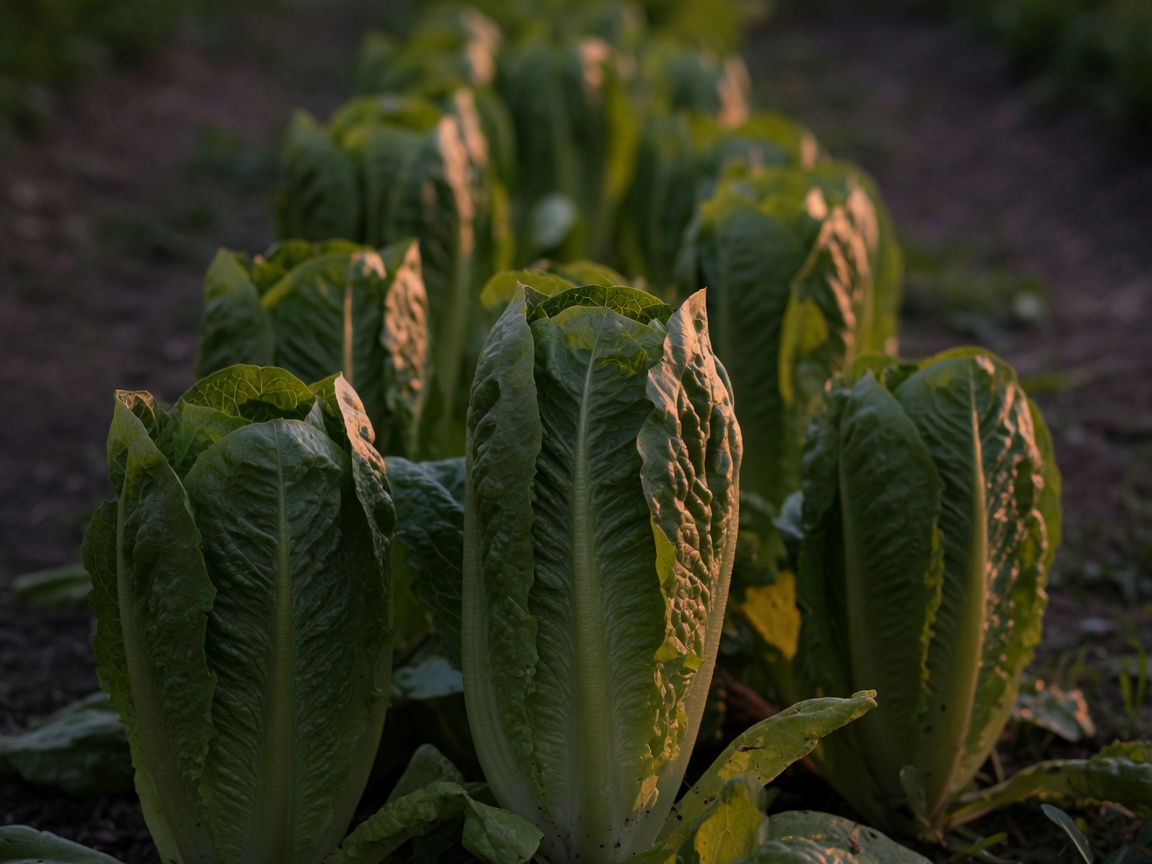
Romaine lettuce
coolLactuca sativa var. longifolia
Crisper than leaf lettuce and a little more heat-tolerant, but still a cool-season crop in Ohio.
- Plant
- Start indoors March or direct sow April; fall sowing early August
- Harvest
- May–June and October
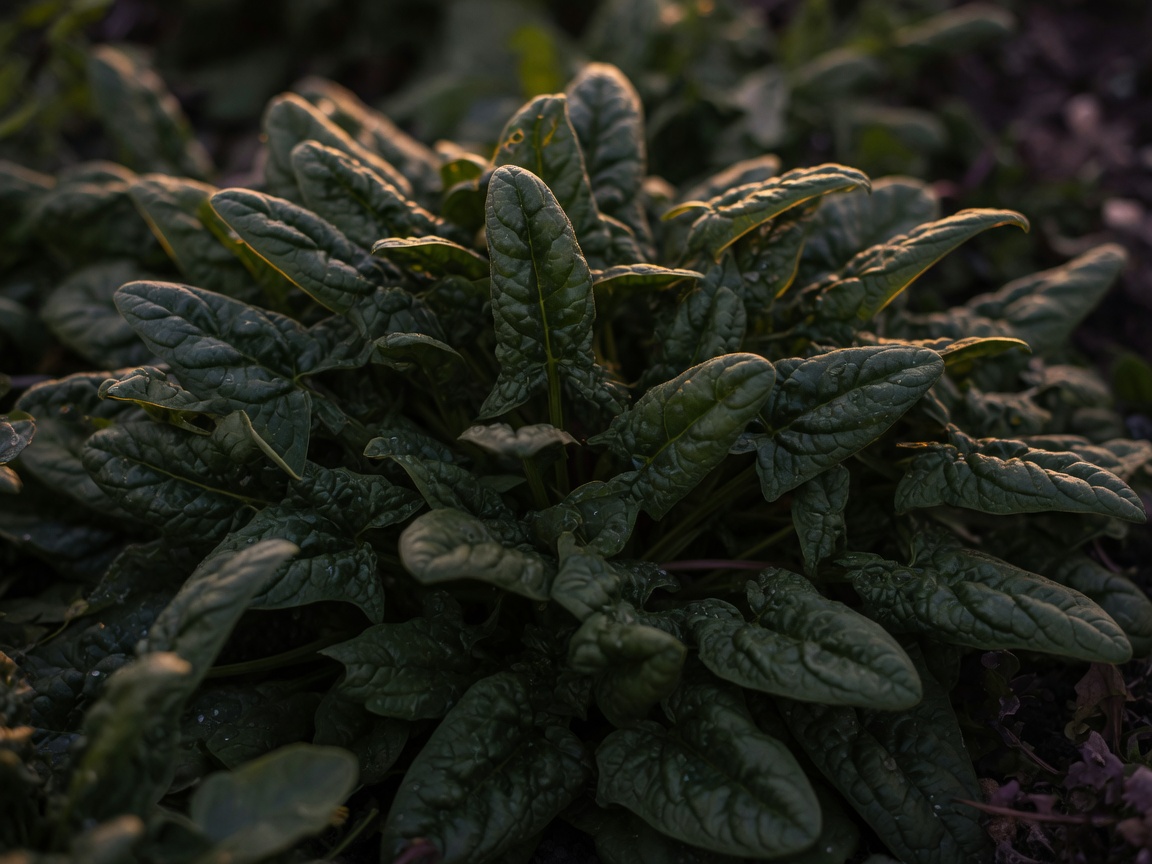
Spinach
coolSpinacia oleracea
Bolts the moment Ohio hits 80°F. Treat it as a short, lush spring and fall crop.
- Plant
- Direct sow March and again late August to mid-September
- Harvest
- April–May; October, and overwintered plants in March
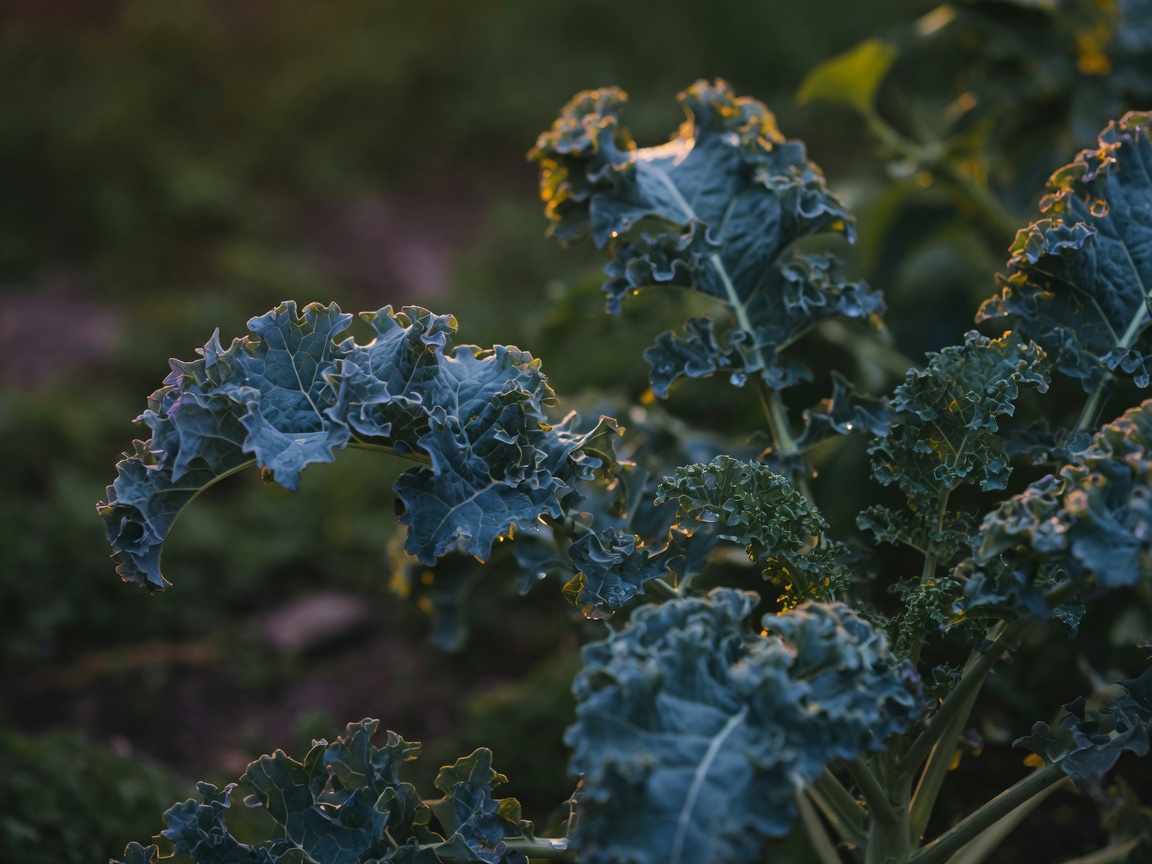
Kale
coolBrassica oleracea var. acephala
The backbone of an Ohio fall garden. Winterbor and Red Russian ride out November.
- Plant
- Start indoors March or direct sow April; fall crop mid-July
- Harvest
- May through December; sweetest after frost
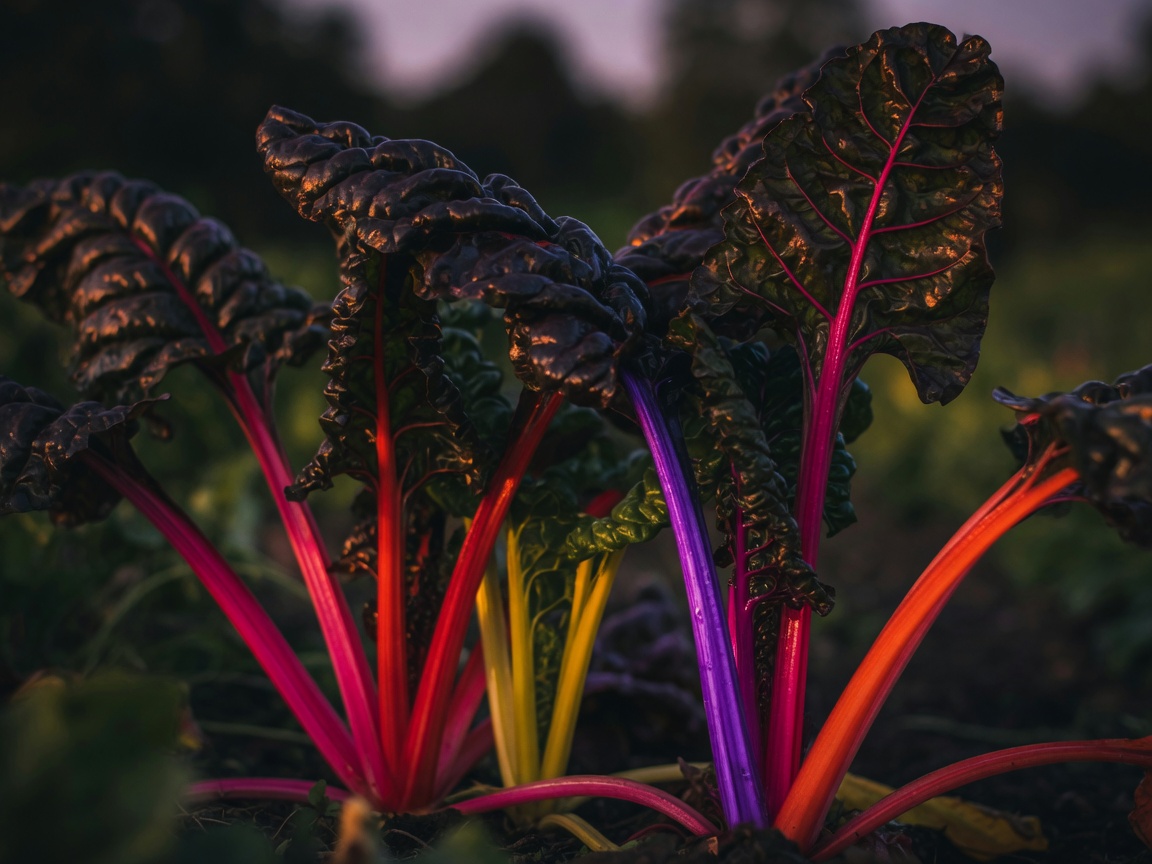
Swiss chard
coolBeta vulgaris subsp. cicla
More heat-tolerant than spinach, so it bridges Ohio’s summer when lettuce is gone.
- Plant
- Direct sow April through July
- Harvest
- June until hard freeze
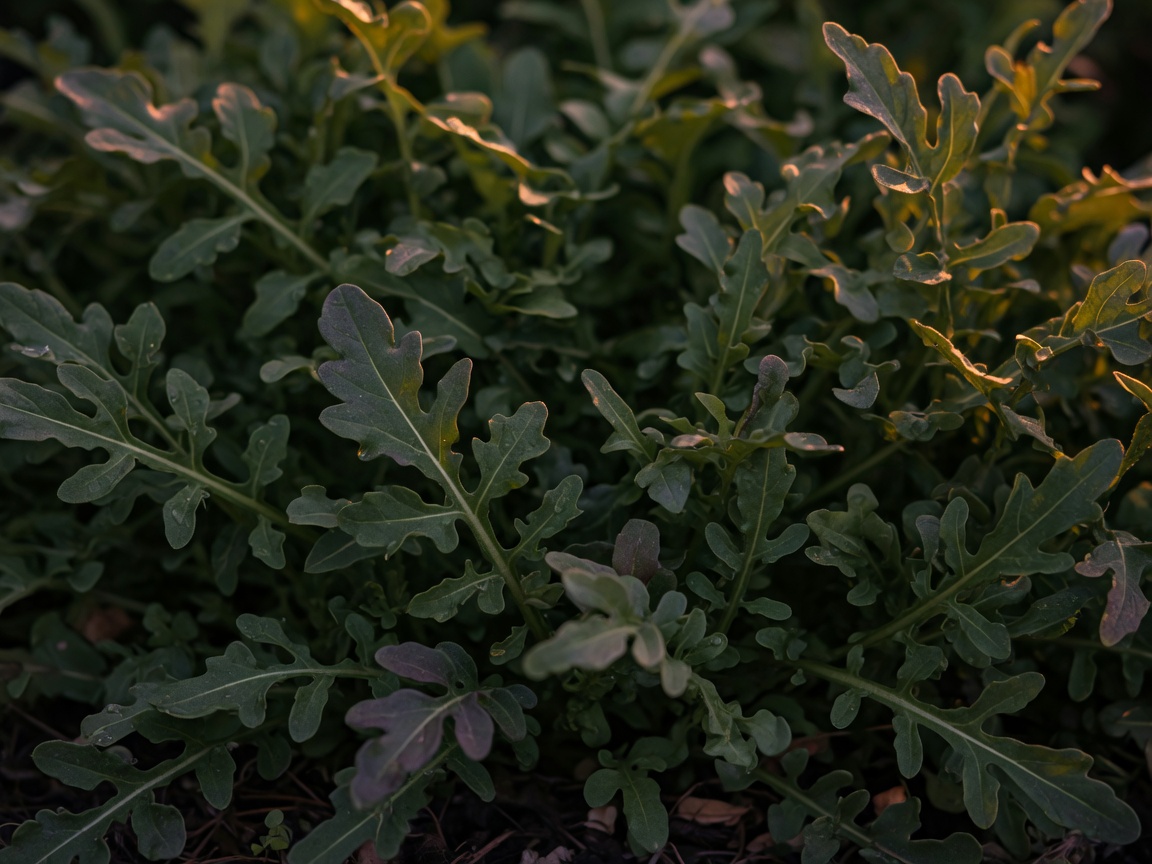
Arugula
coolEruca vesicaria
Peppery baby greens in a month. Summer sowings get fiery and bolt.
- Plant
- Direct sow March–May and August–September, every 2 weeks
- Harvest
- 30 days later, until heat or hard freeze
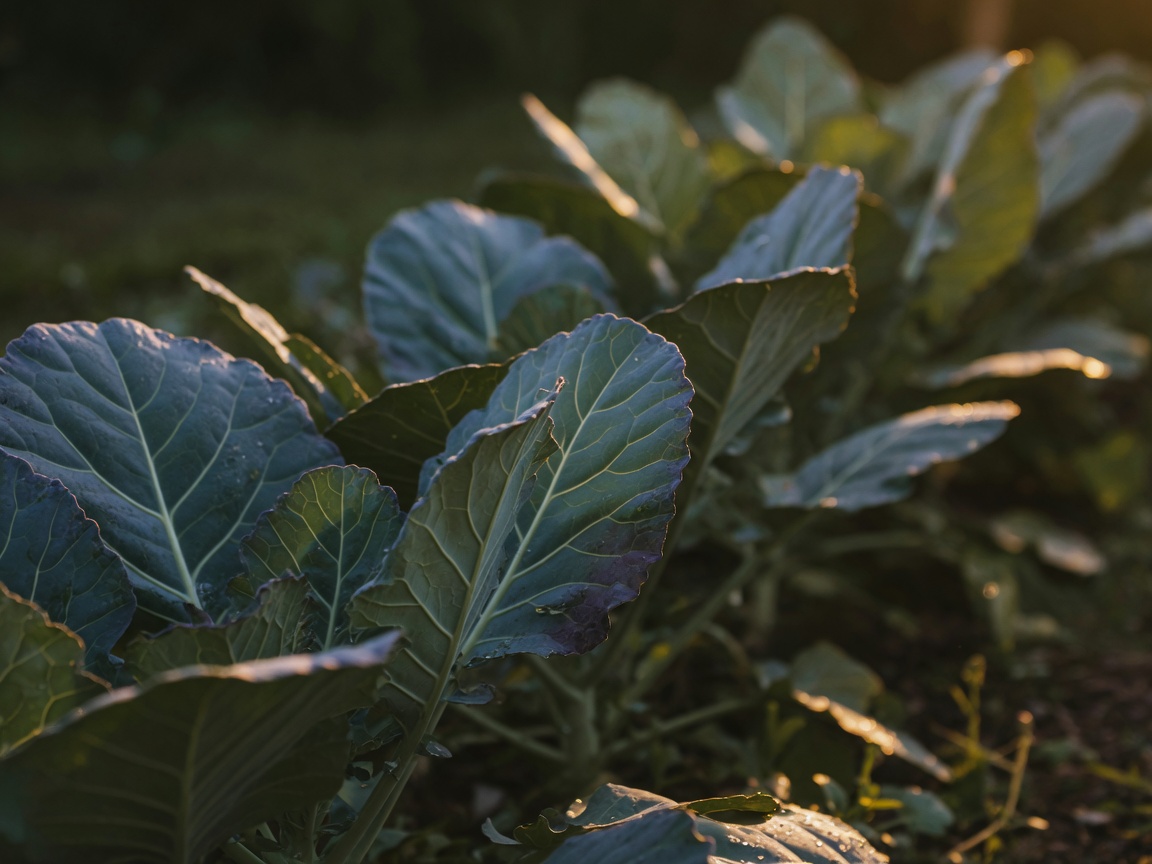
Collard greens
coolBrassica oleracea var. viridis
A southern crop that is even better after an Ohio frost. Fall plantings are the ones to grow.
- Plant
- Start indoors March or direct sow July for fall
- Harvest
- June; peak flavor October–December
Brassicas
Broccoli, cabbage, and other cool-weather heads.
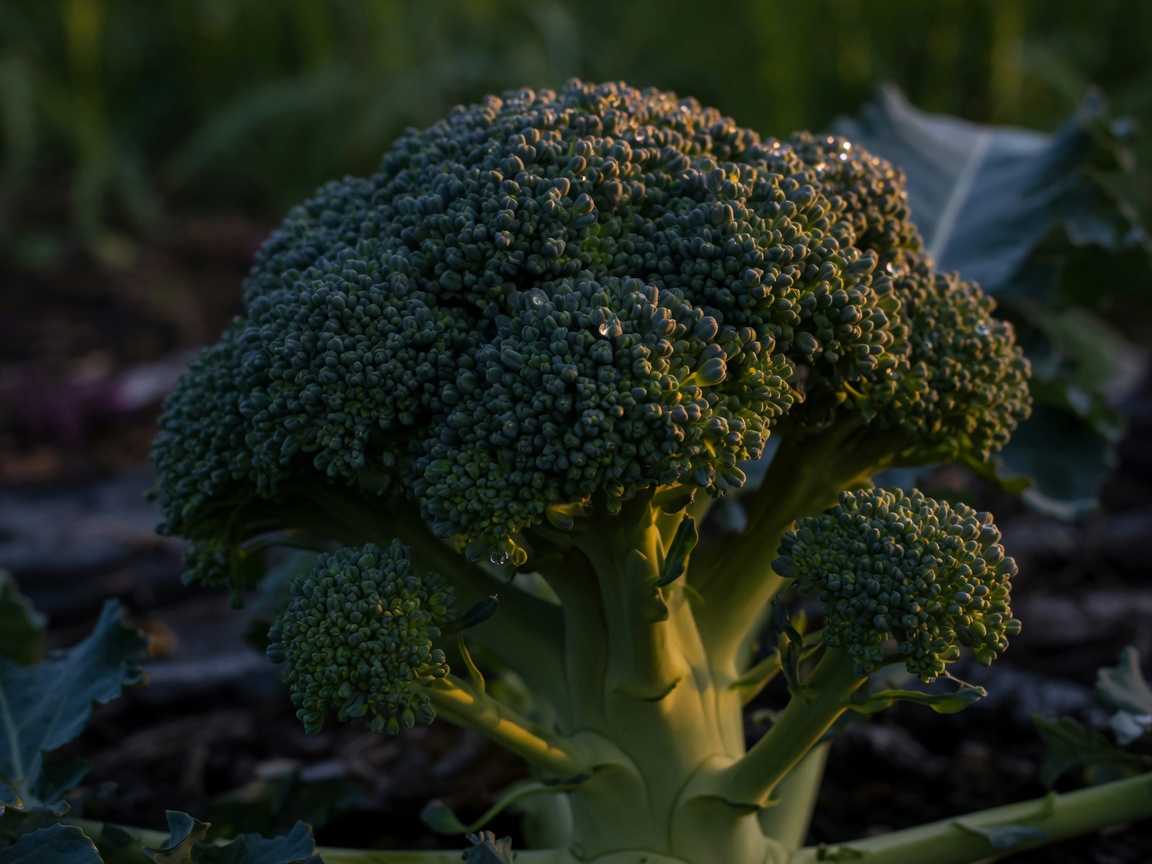
Broccoli
coolBrassica oleracea var. italica
Fall broccoli is more reliable in Ohio than spring—spring heat can button small heads.
- Plant
- Start indoors early March for spring; start mid-June for fall
- Harvest
- May–June; September–November for fall crop
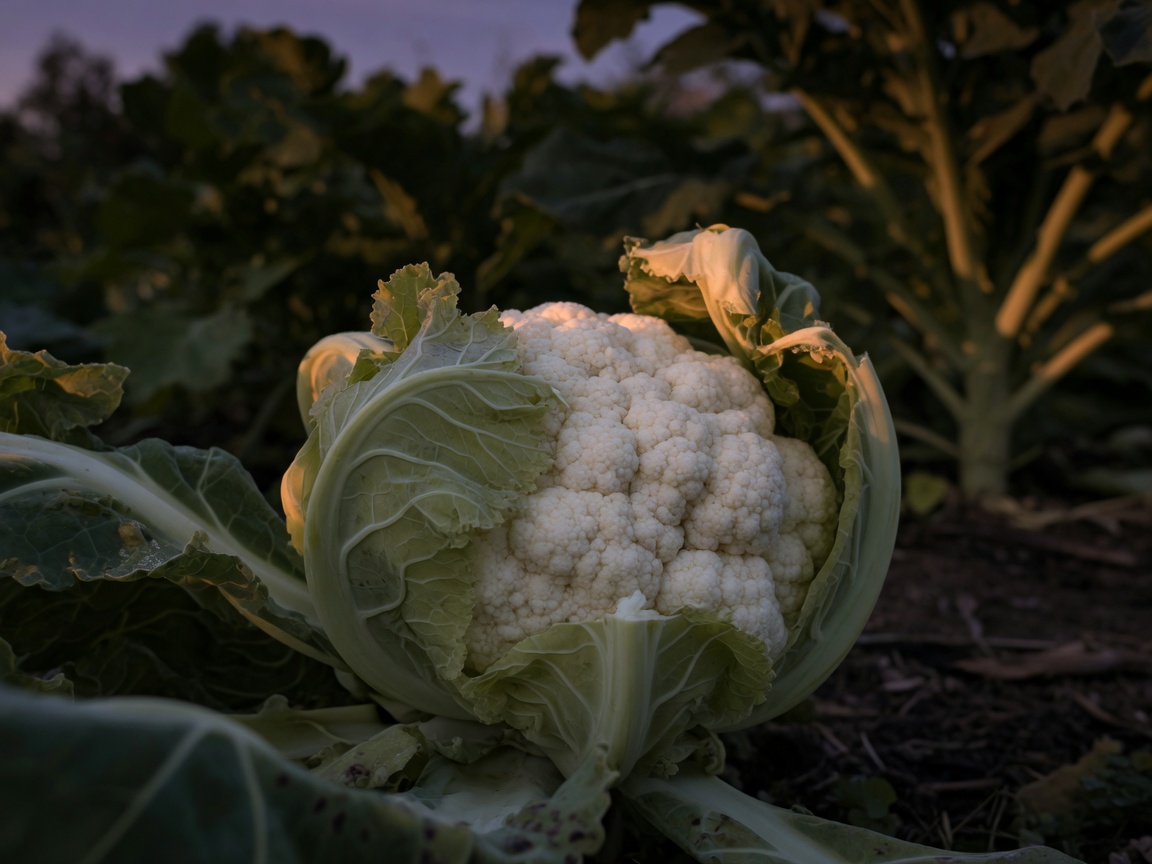
Cauliflower
coolBrassica oleracea var. botrytis
Less forgiving than broccoli. Fall plantings in Ohio make tighter, whiter heads.
- Plant
- Start indoors March; better as a fall crop started in June
- Harvest
- June or October
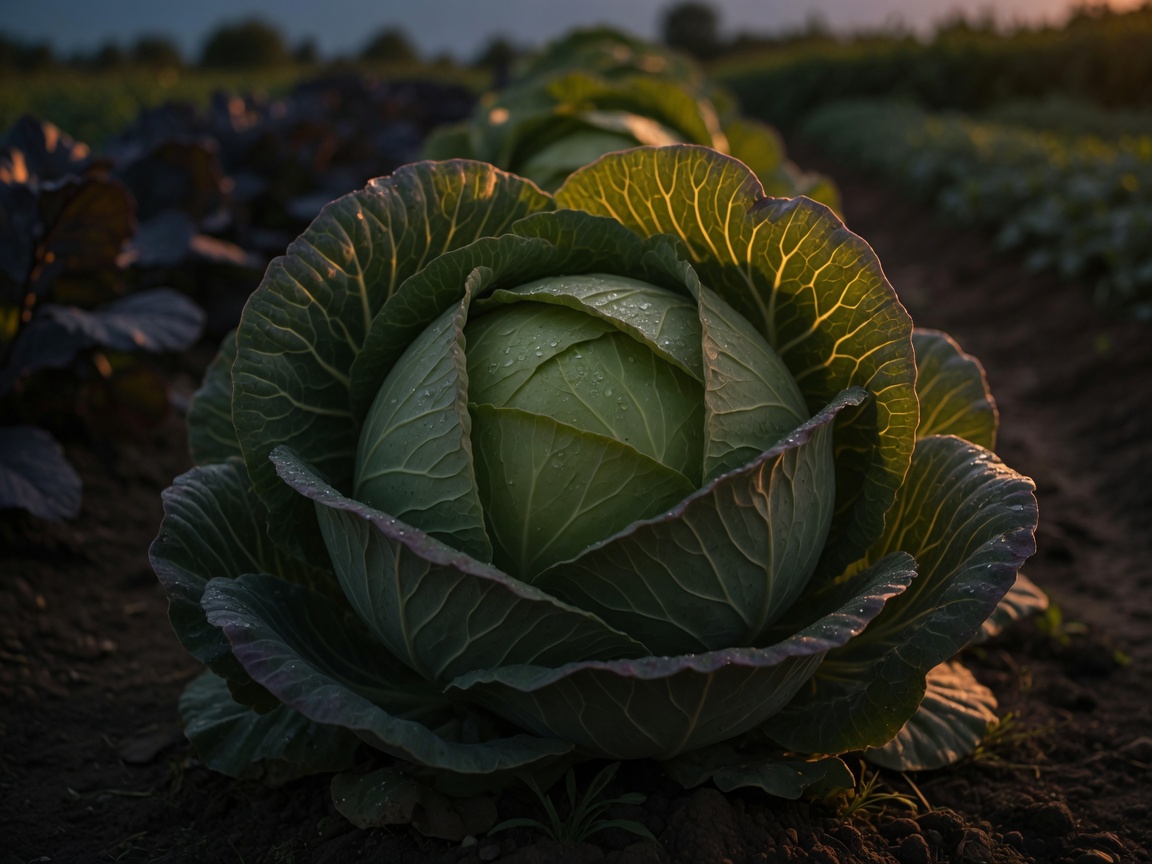
Cabbage
coolBrassica oleracea var. capitata
Early pointed types for June slaw; Danish and storage types for sauerkraut and winter.
- Plant
- Start indoors March for summer heads; June for storage heads
- Harvest
- June–July; October for storage types
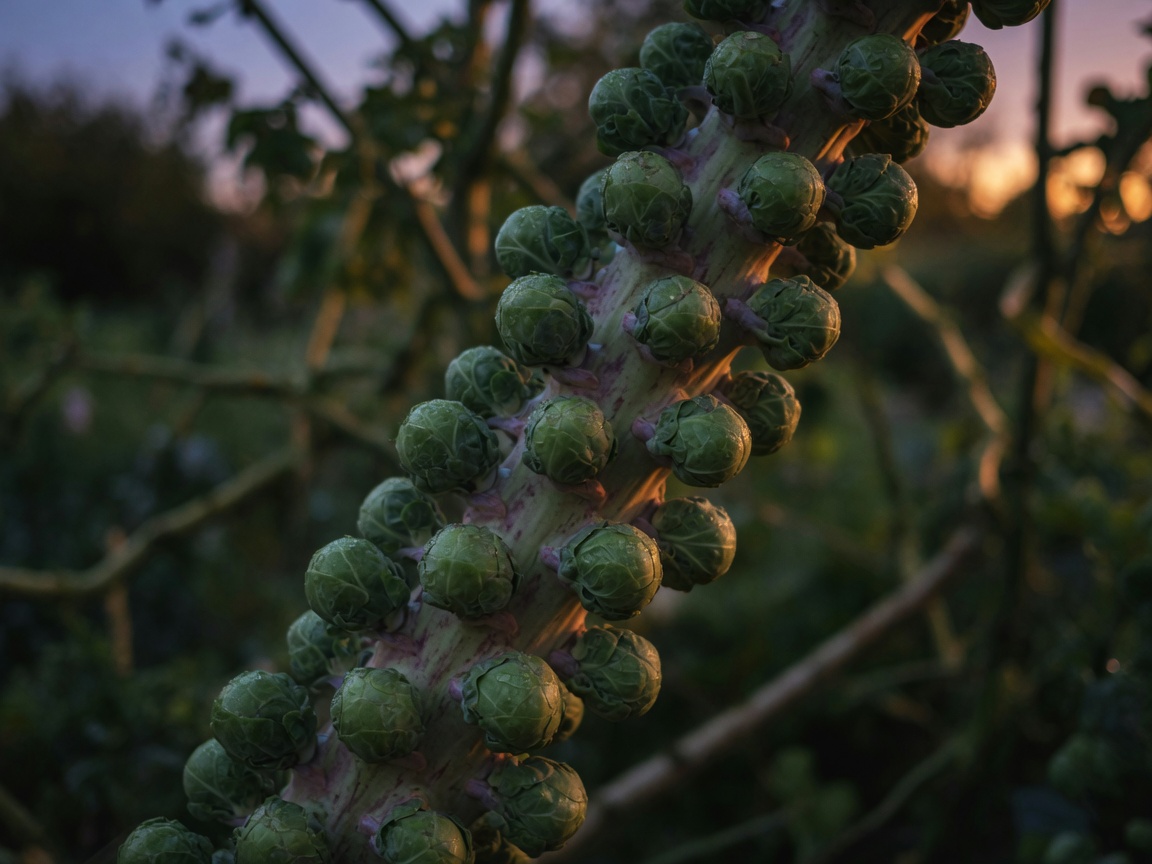
Brussels sprouts
coolBrassica oleracea var. gemmifera
A long-season Ohio fall crop. Do not grow them for July—they want frost.
- Plant
- Start indoors April to mid-May; transplant by mid-June
- Harvest
- October through December, after frost
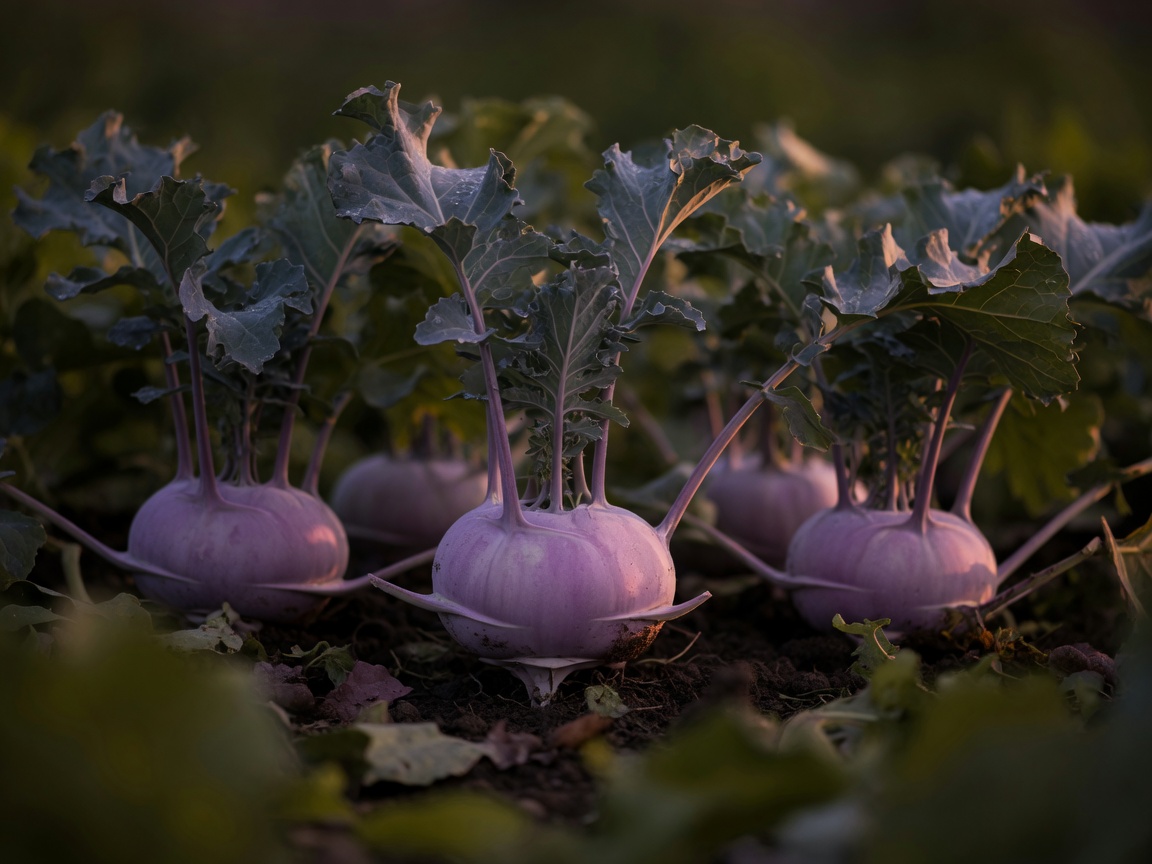
Kohlrabi
coolBrassica oleracea var. gongylodes
Fast, crisp, and underused. A 50-day crop that fits both ends of the Ohio season.
- Plant
- Direct sow April and again August
- Harvest
- May–June and October
Roots & tubers
Carrots, potatoes, beets, and other underground crops.
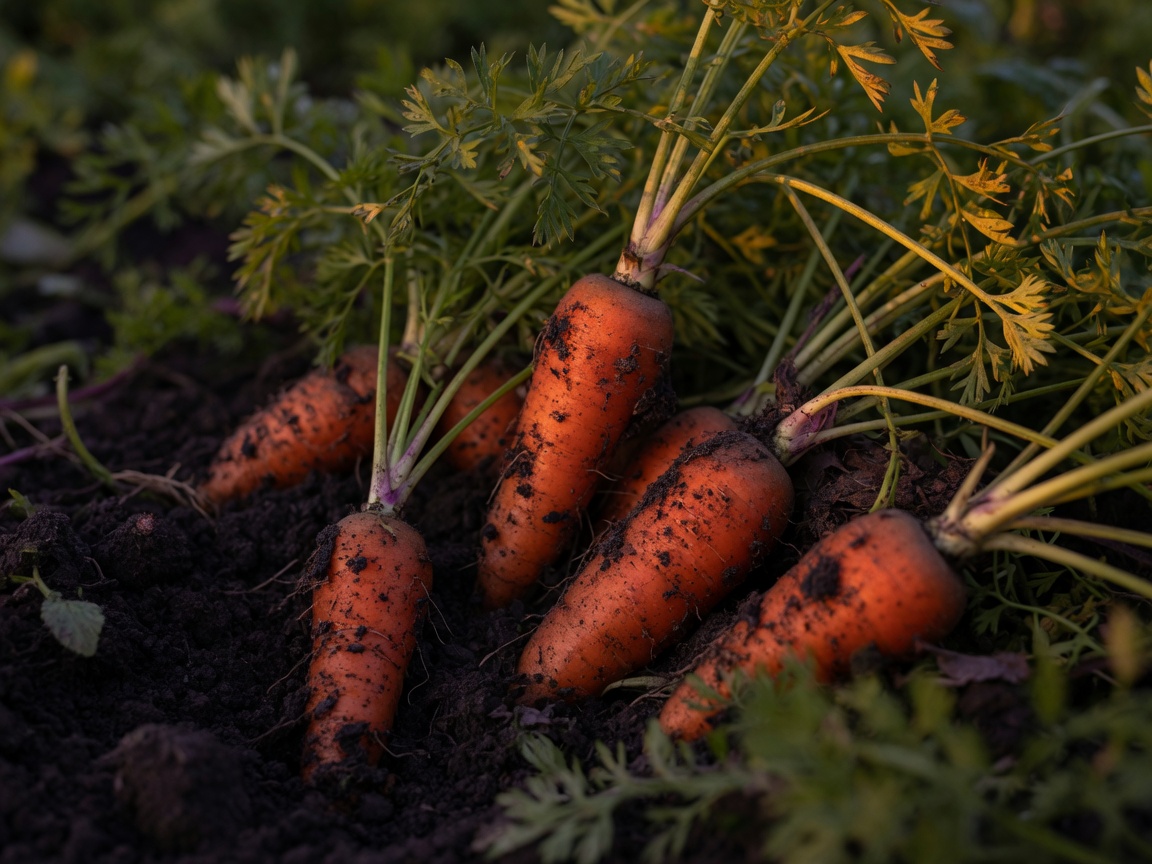
Carrot
coolDaucus carota
Ohio clay needs loosening or a raised bed. Nantes and Danvers types handle heavier soil better than long Imperators.
- Plant
- Direct sow April–June and again late July for fall
- Harvest
- June–July; October–November (sweetest after frost)
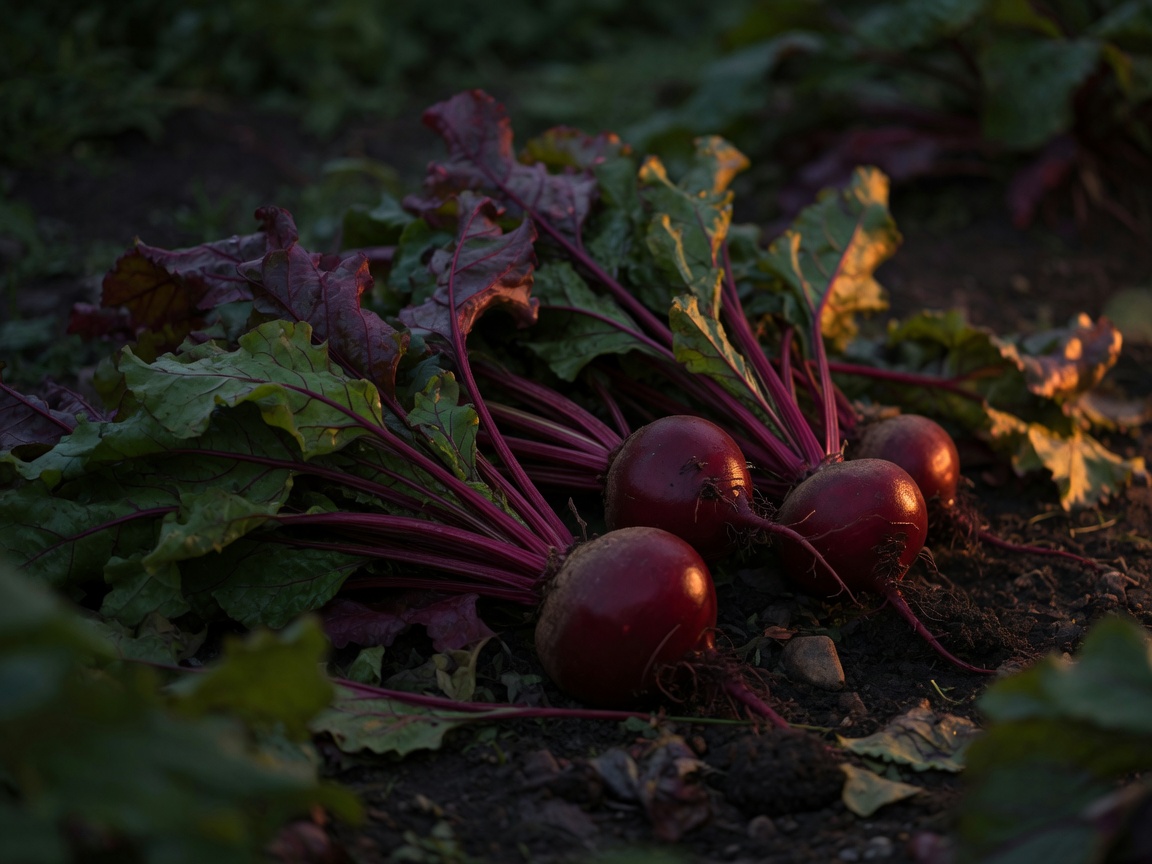
Beet
coolBeta vulgaris
Roots and greens in one planting. Detroit Dark Red is the Ohio workhorse.
- Plant
- Direct sow April through August
- Harvest
- June through November
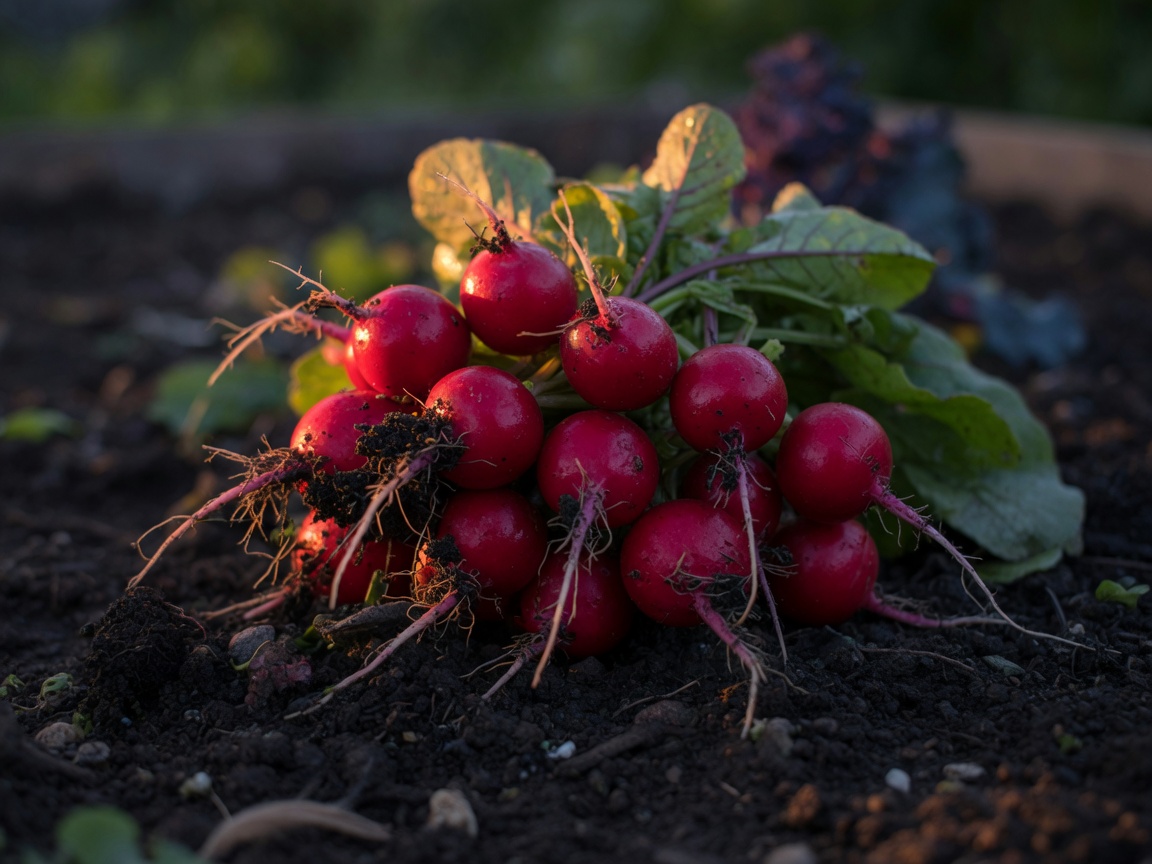
Radish
coolRaphanus sativus
The first thing you eat from an Ohio garden. Summer heat makes them pithy and hot.
- Plant
- Direct sow March–May and August–September, every 10 days
- Harvest
- April–May and September–October
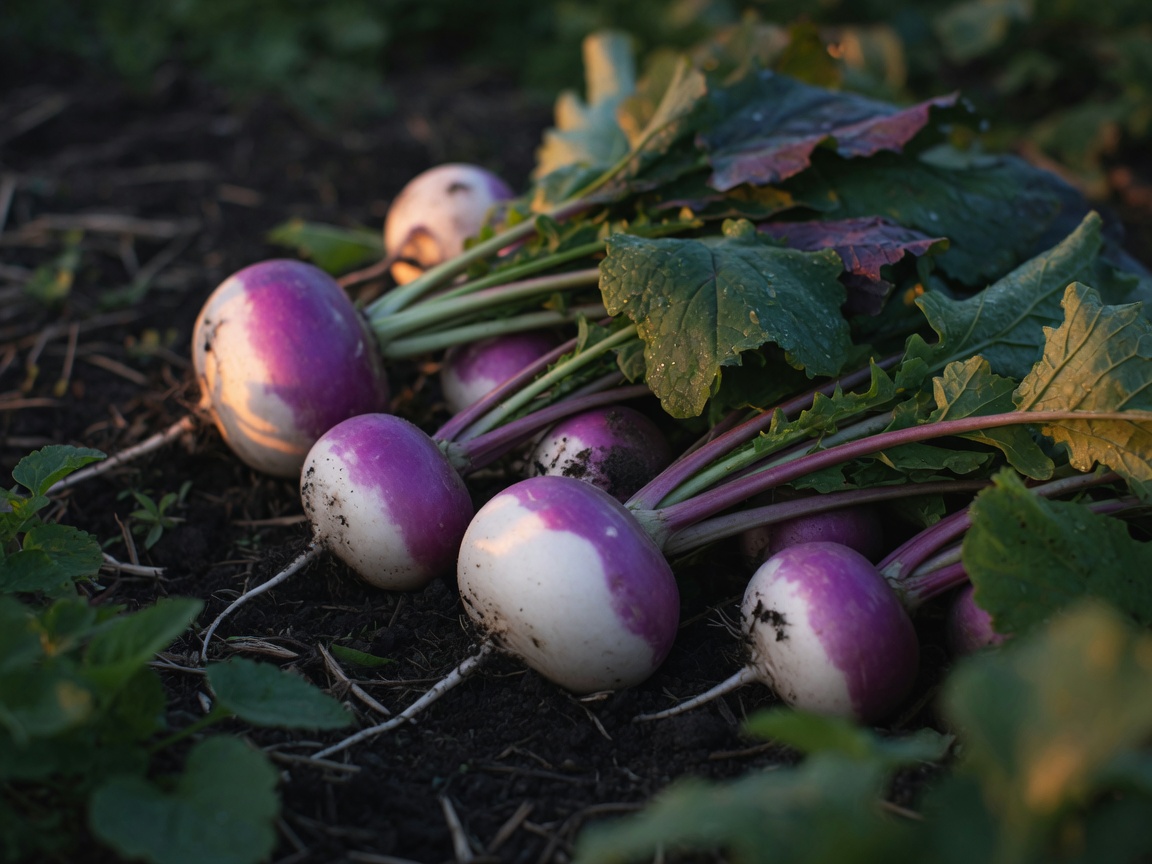
Turnip
coolBrassica rapa
Fast roots plus greens. Purple Top White Globe is the classic Ohio fall turnip.
- Plant
- Direct sow April and again August
- Harvest
- June; October–November
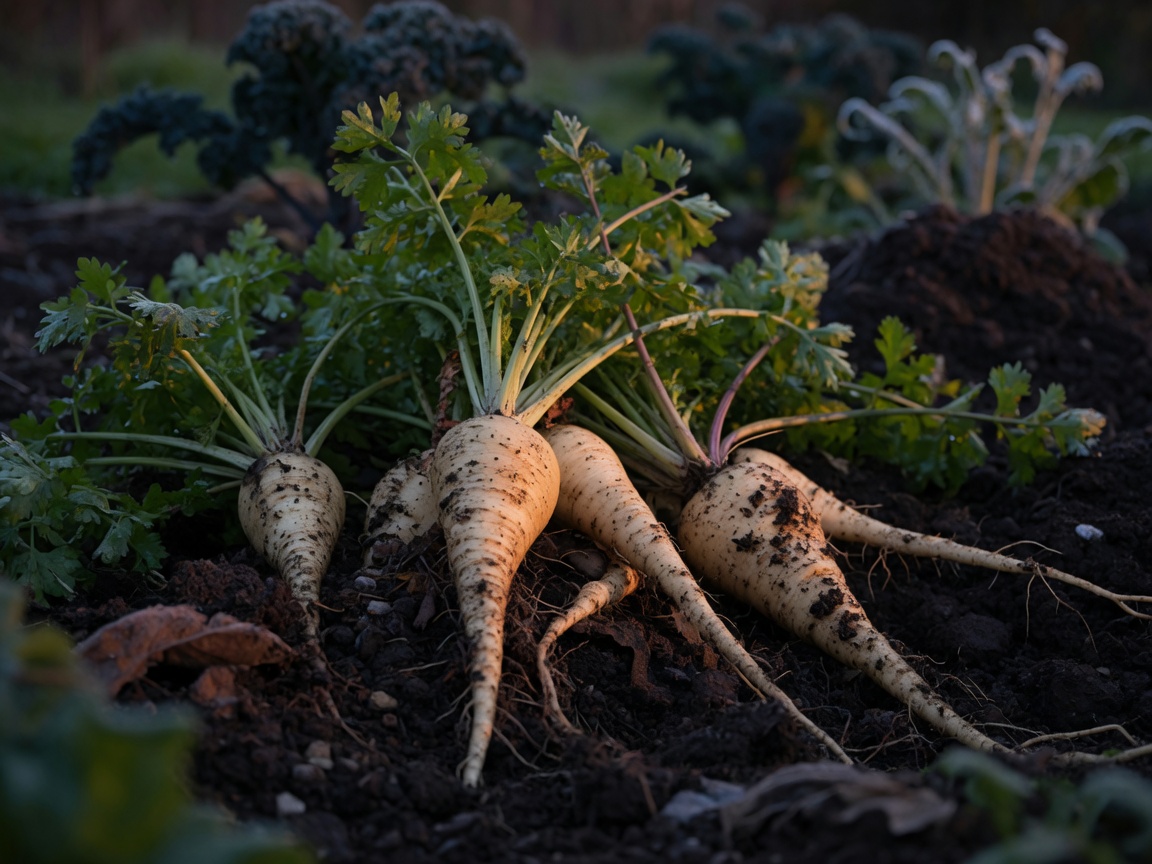
Parsnip
coolPastinaca sativa
A true Ohio winter vegetable. They need the whole season and taste best after the ground freezes.
- Plant
- Direct sow April as soon as soil can be worked
- Harvest
- After hard frost in November, or overwinter and dig in March
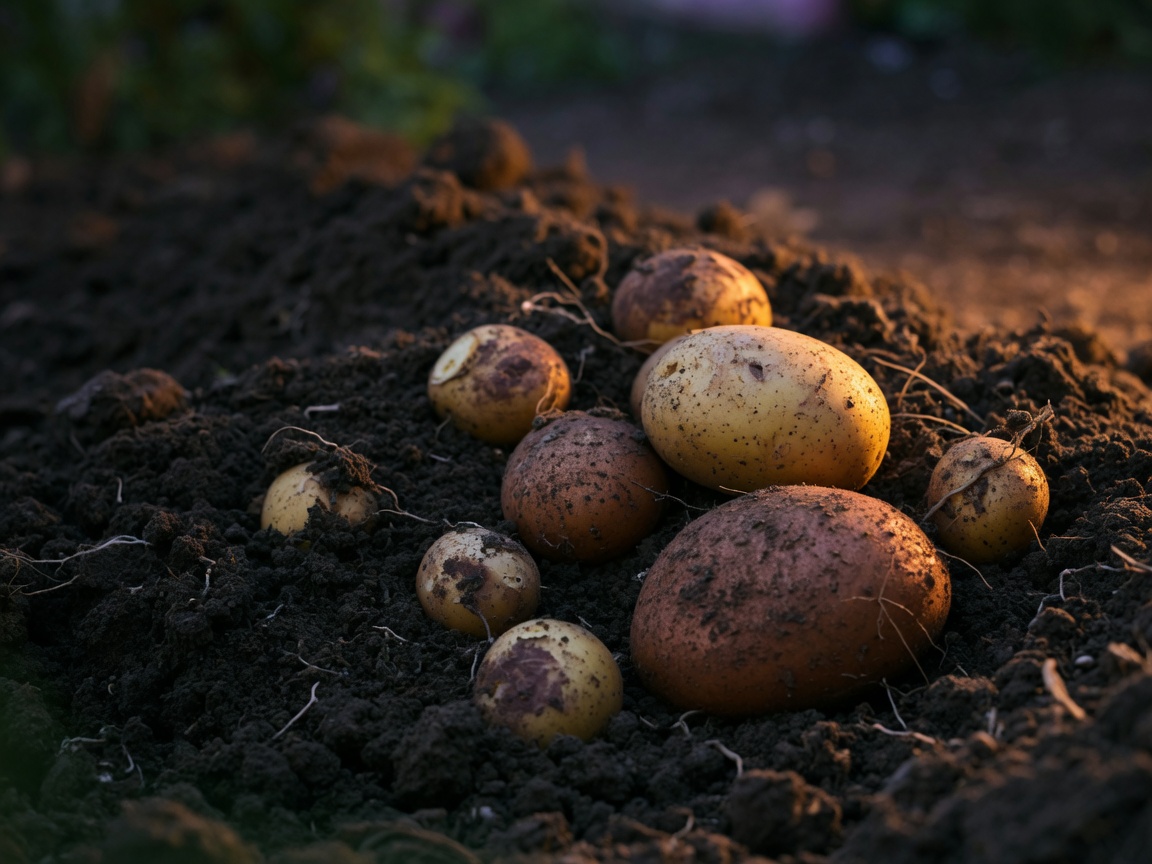
Potato
coolSolanum tuberosum
Ohio’s climate is excellent for potatoes. Yukon Gold, Kennebec, and reds all store well.
- Plant
- Plant seed pieces mid-April, about 2 weeks before last frost
- Harvest
- New potatoes in June; main crop July–September
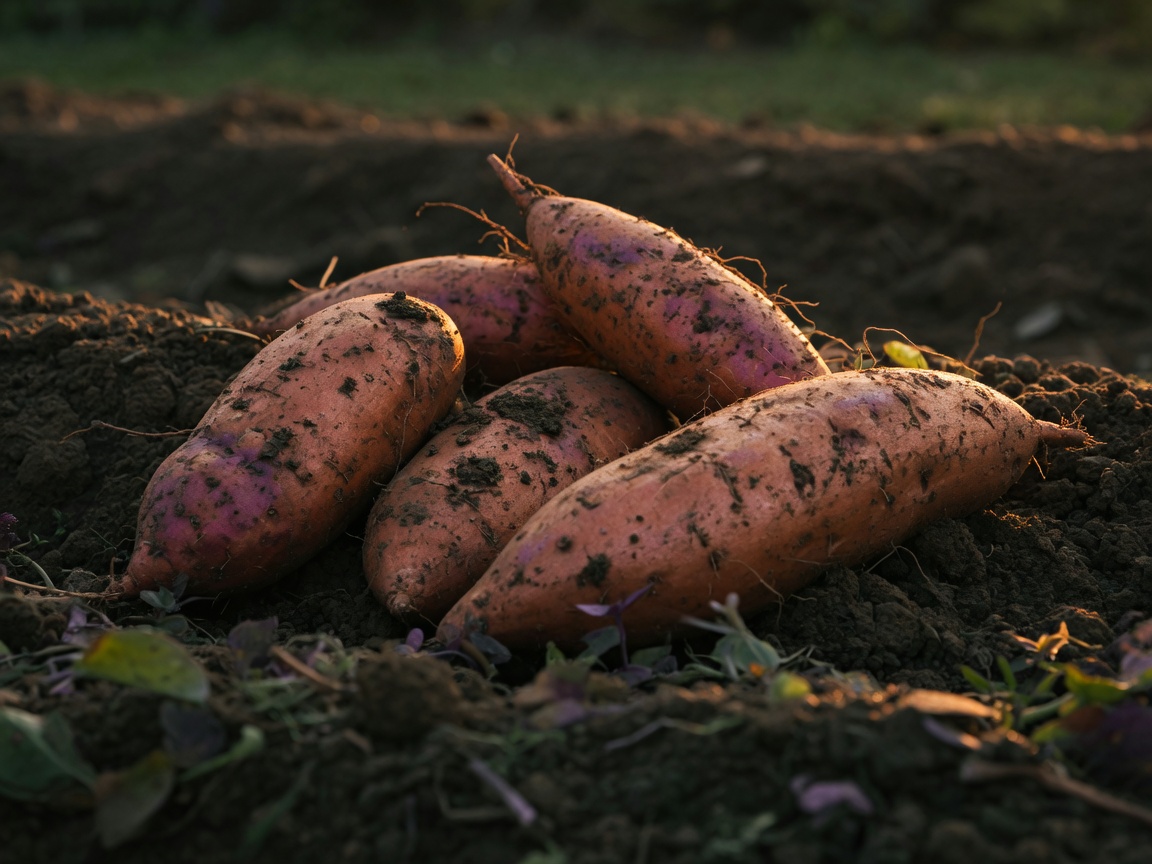
Sweet potato
warmIpomoea batatas
A southern crop that works in Ohio if you use short-season slips (Beauregard, Georgia Jet).
- Plant
- Set slips after soil is 65°F, usually late May to early June
- Harvest
- September, before a hard frost
Onions & garlic
Long-season bulbs that store well through Ohio winters.
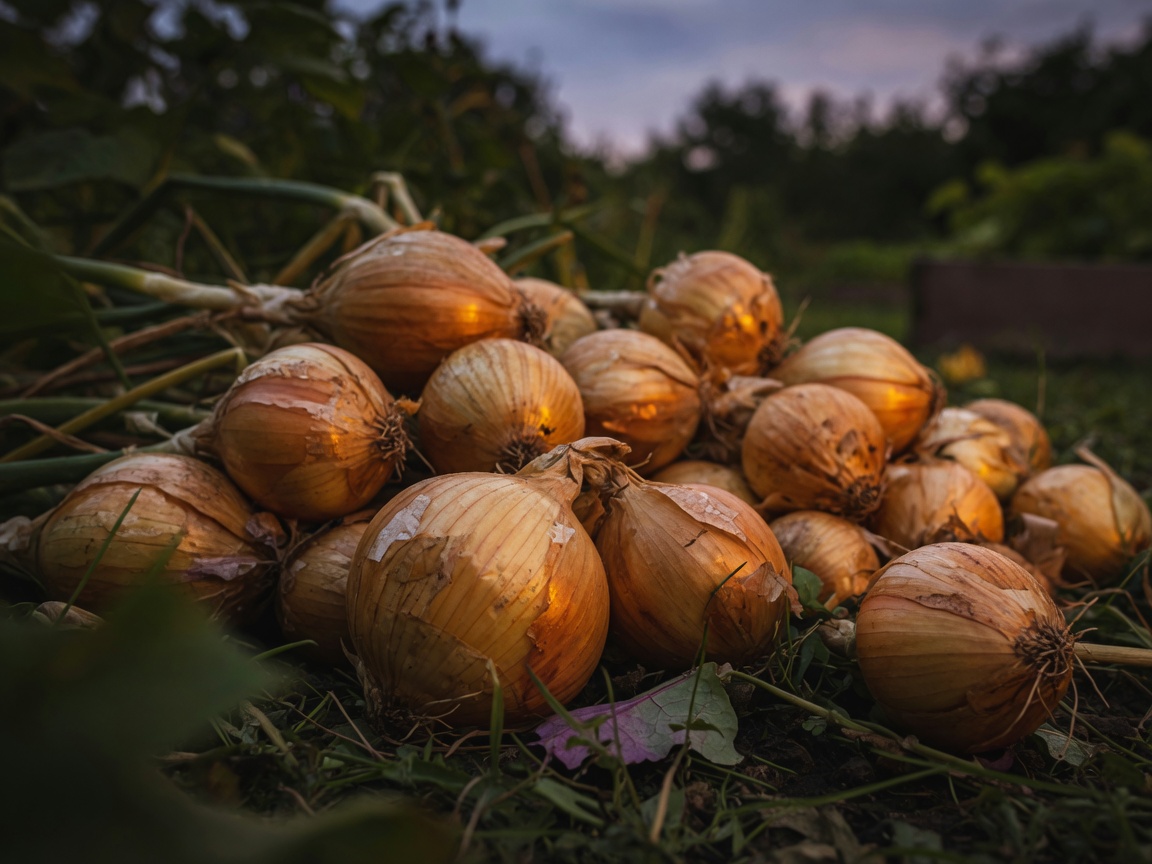
Onion
coolAllium cepa
Ohio is long-day onion country. Use long-day plants (Patterson, Copra, Redwing), not short-day southern types.
- Plant
- Set plants or sets in March–April; start seed indoors in February
- Harvest
- July–August when tops fall
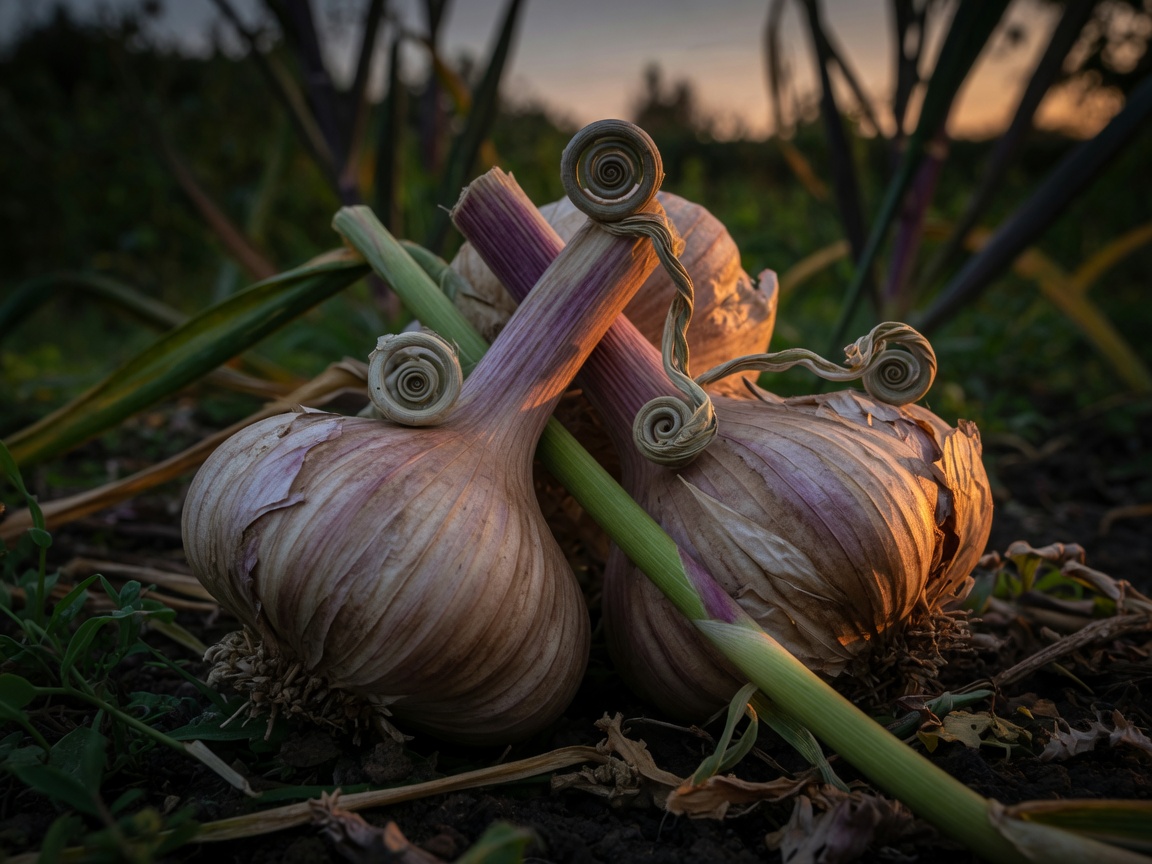
Garlic
perennialAllium sativum
Plant in fall, harvest in early summer. Hardneck types (Music, German Extra Hardy) are made for Ohio winters.
- Plant
- Plant cloves in October, 2–4 weeks before the ground freezes
- Harvest
- Late June to mid-July the following year
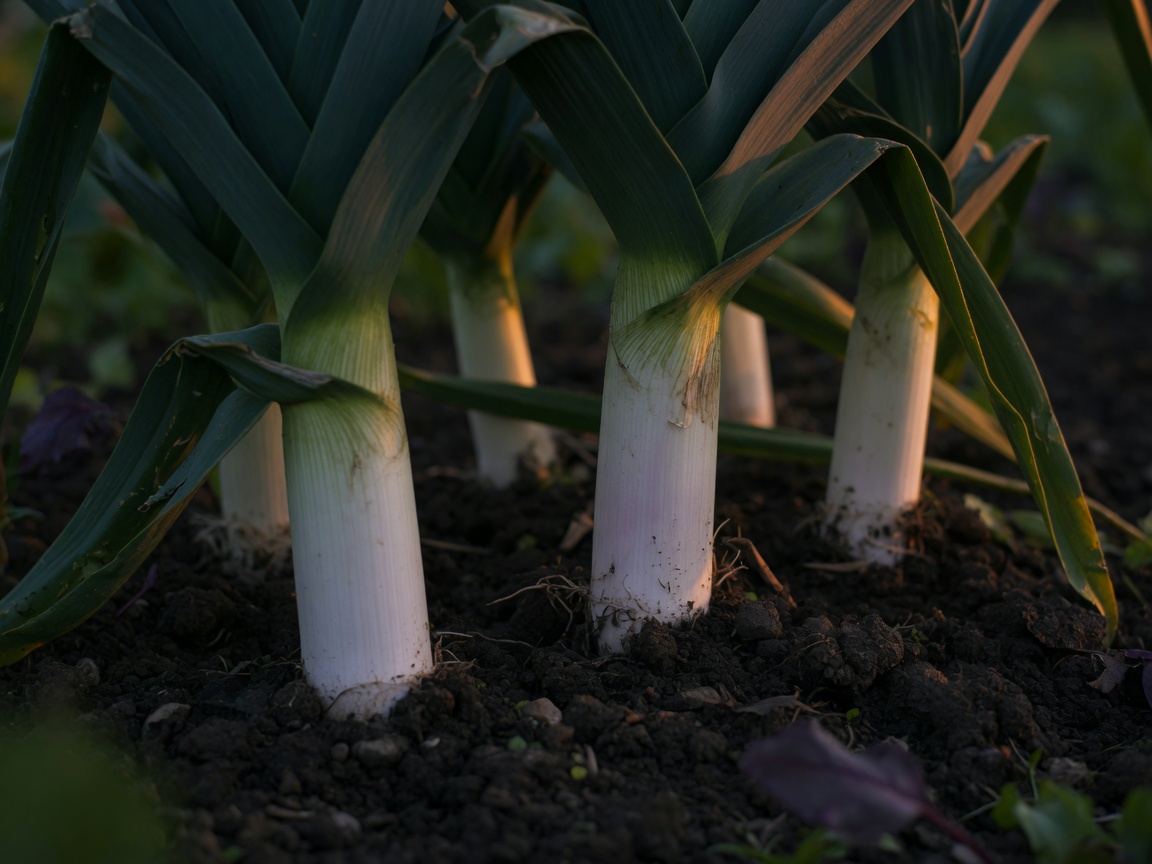
Leek
coolAllium ampeloprasum
A fall and early-winter staple. King Richard for earlier harvest; Bandit for late.
- Plant
- Start indoors February; transplant April
- Harvest
- September through December
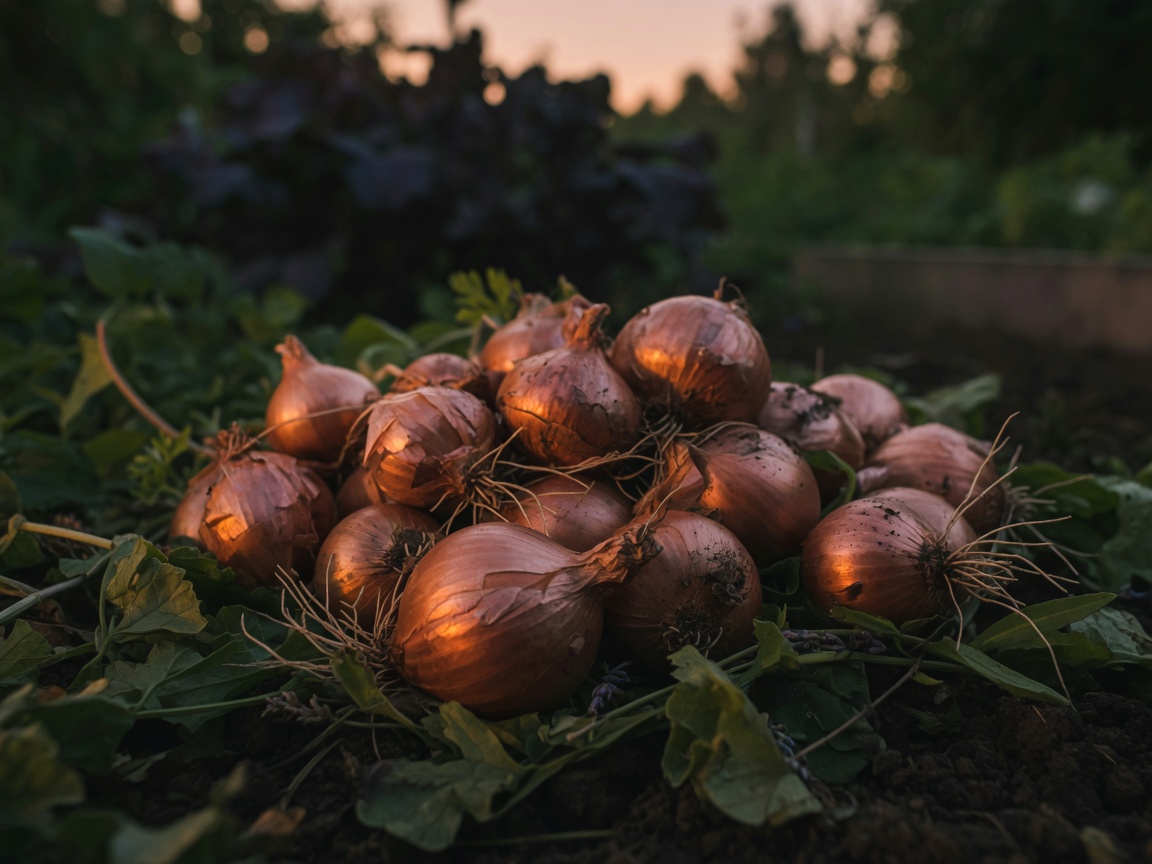
Shallot
coolAllium cepa var. aggregatum
Each set becomes a cluster. Flavor is milder and more complex than storage onions.
- Plant
- Plant sets in April, or in October like garlic in milder counties
- Harvest
- July when tops brown

Chives
perennialAllium schoenoprasum
The first green thing in an Ohio spring. A clump lasts for years.
- Plant
- Plant divisions in April or September; seed in spring
- Harvest
- April through October, then again after frost dieback
Herbs
Kitchen herbs that thrive in Ohio beds and pots.
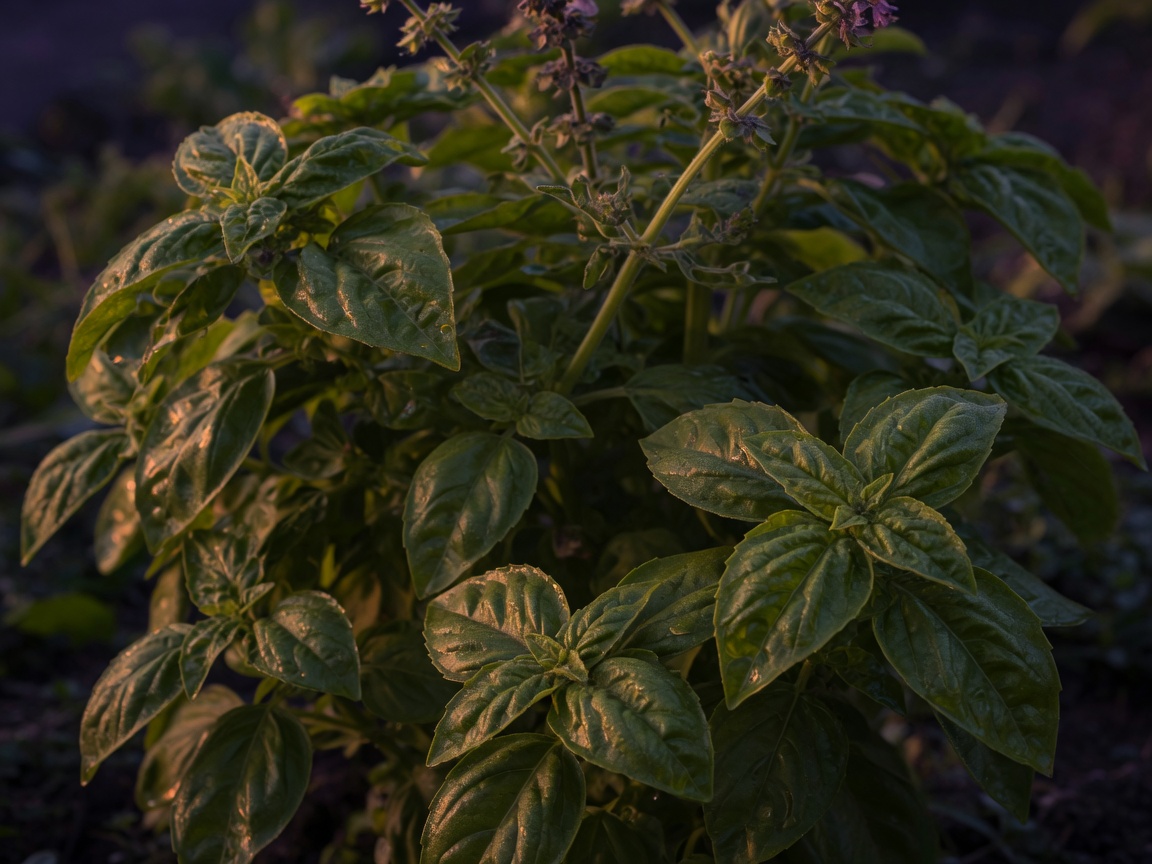
Basil
warmOcimum basilicum
The companion herb for Ohio tomatoes. One frost ends it, so take a big pesto cut in late September.
- Plant
- Start indoors April; transplant after nights stay above 50°F
- Harvest
- June until first frost
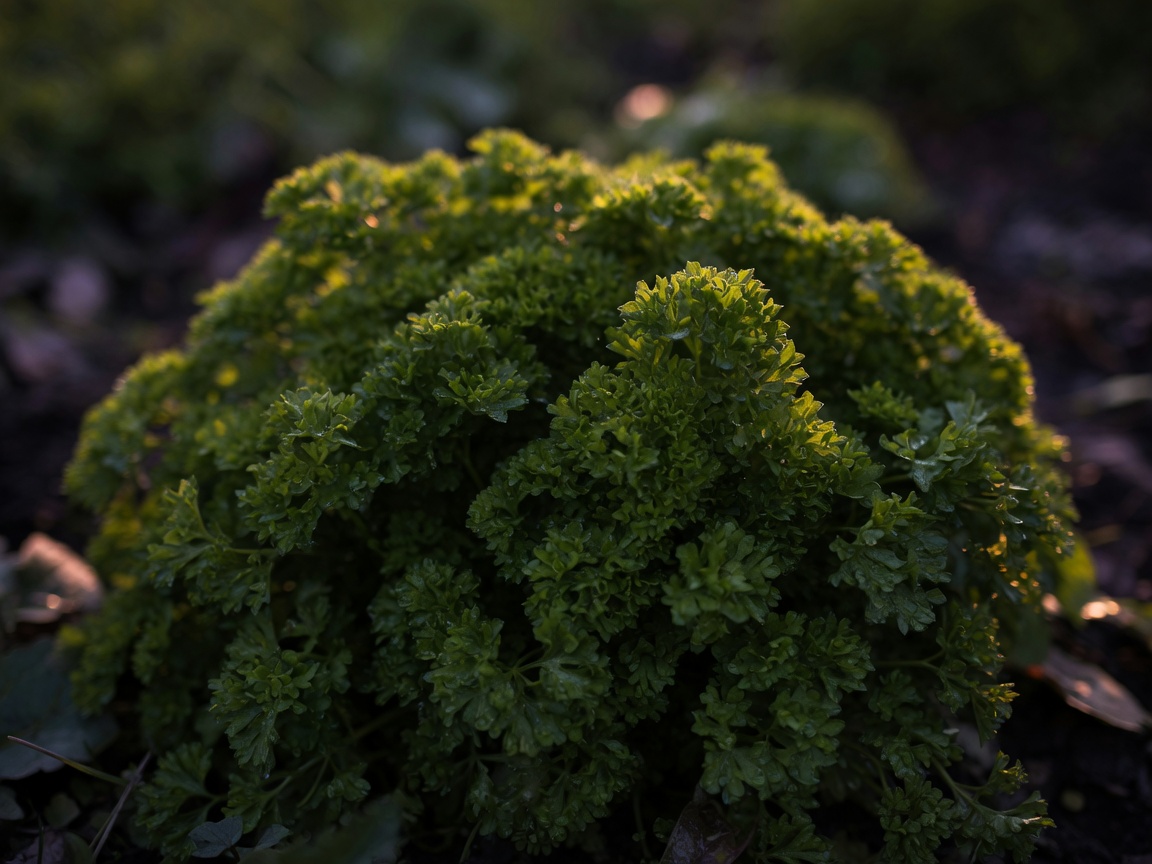
Parsley
coolPetroselinum crispum
A biennial that acts like a long-season annual in Ohio. Flat-leaf has better flavor for cooking.
- Plant
- Start indoors February–March (slow to germinate) or sow April
- Harvest
- May through November; often overwinters
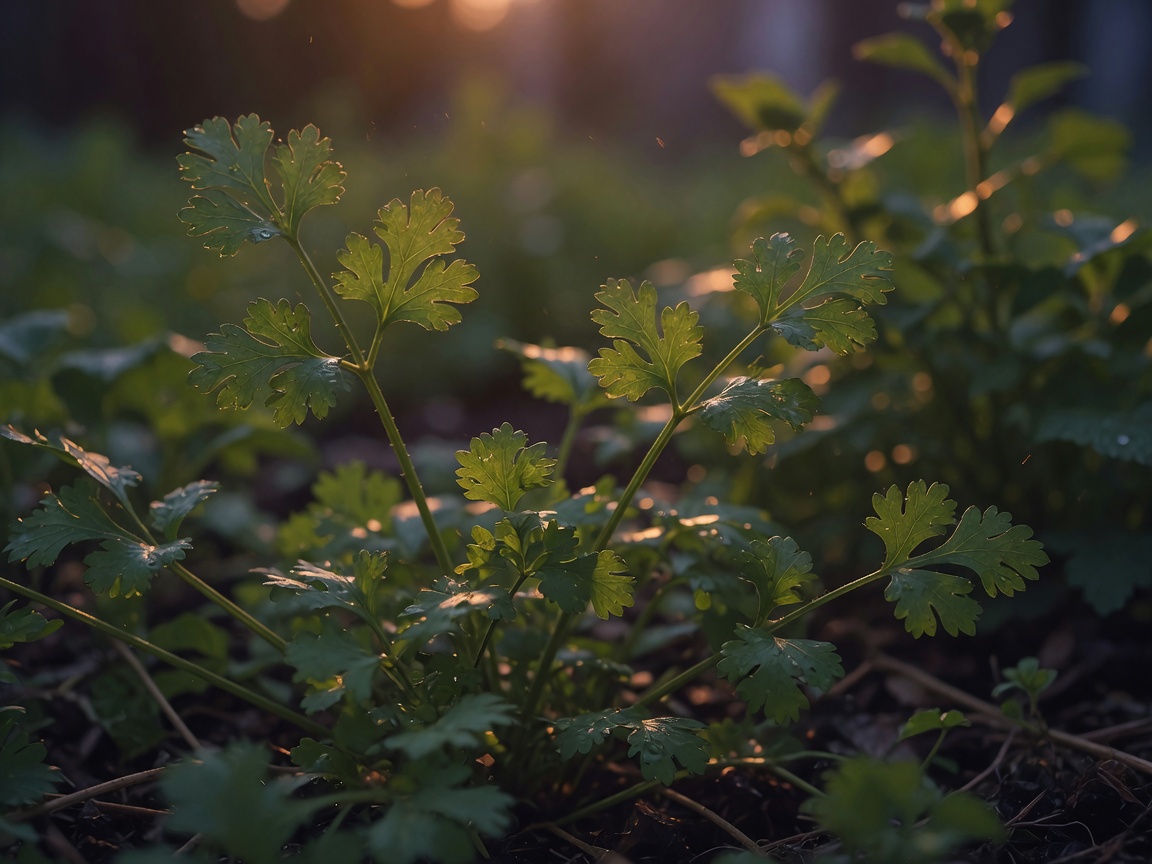
Cilantro
coolCoriandrum sativum
Bolts in Ohio heat. Grow it as a short spring and fall crop, not a summer pot.
- Plant
- Direct sow April, then every 3 weeks until June; resume in August
- Harvest
- Leaves in 3–4 weeks; seed (coriander) after bloom

Dill
coolAnethum graveolens
Time a June sowing so flower heads hit when the pickling cucumbers do.
- Plant
- Direct sow April and again June for pickle season
- Harvest
- Foliage in 40 days; flower heads in 60–70

Thyme
perennialThymus vulgaris
Hardy across Ohio if it does not sit in winter wet. English and German thyme are the reliable kitchen types.
- Plant
- Plant starts in May; seed is slow
- Harvest
- May through October; evergreen in mild winters

Oregano
perennialOriganum vulgare
Greek oregano is the culinary one. Common oregano is milder and spreads.
- Plant
- Plant starts in May
- Harvest
- June through frost; flavor peaks just before bloom
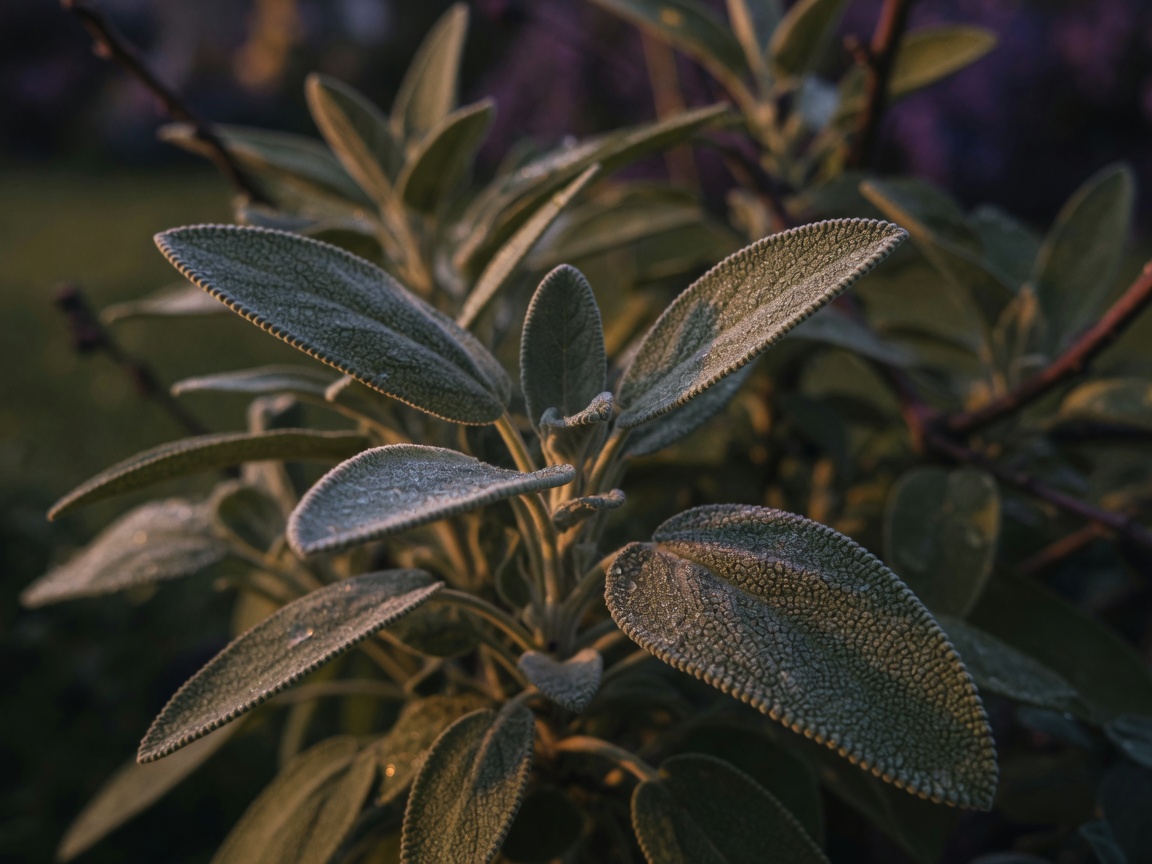
Sage
perennialSalvia officinalis
Woody perennial that handles Ohio winters in a dry spot. Flavor is strongest on new spring growth.
- Plant
- Plant starts in May
- Harvest
- Year-round once established; best in May–June and September

Rosemary
warmSalvia rosmarinus
Not reliably hardy in most of Ohio. Grow in a pot and bring it into a bright, cool window before frost.
- Plant
- Plant starts in May; overwinter indoors in most of Ohio
- Harvest
- June through October outdoors
Berries & vines
Strawberries, brambles, blueberries, and grapes.
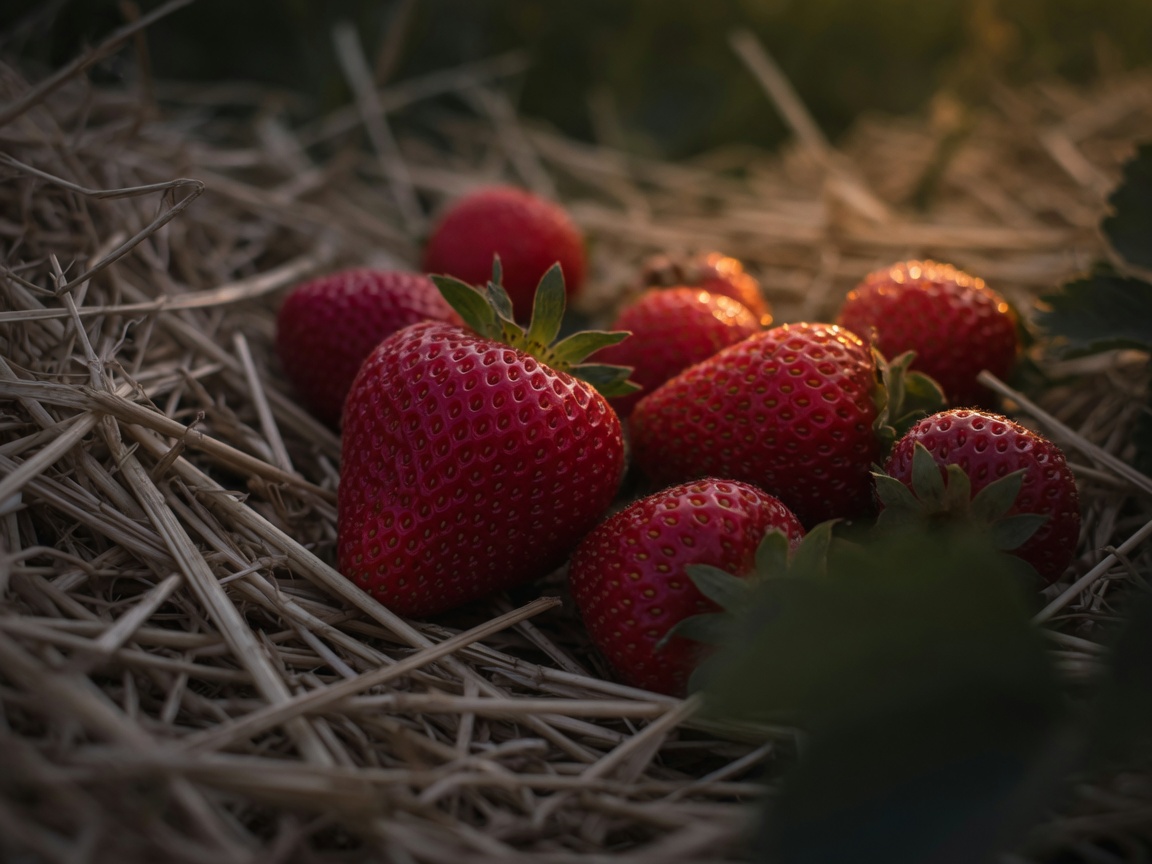
Strawberry
perennialFragaria × ananassa
Ohio’s first fruit of the year. June-bearers (Jewel, Earliglow) for jam; day-neutrals (Seascape, Albion) for a summer trickle.
- Plant
- Plant bare-root in April, or pots in September
- Harvest
- Late May through June for June-bearers; June–October for day-neutrals
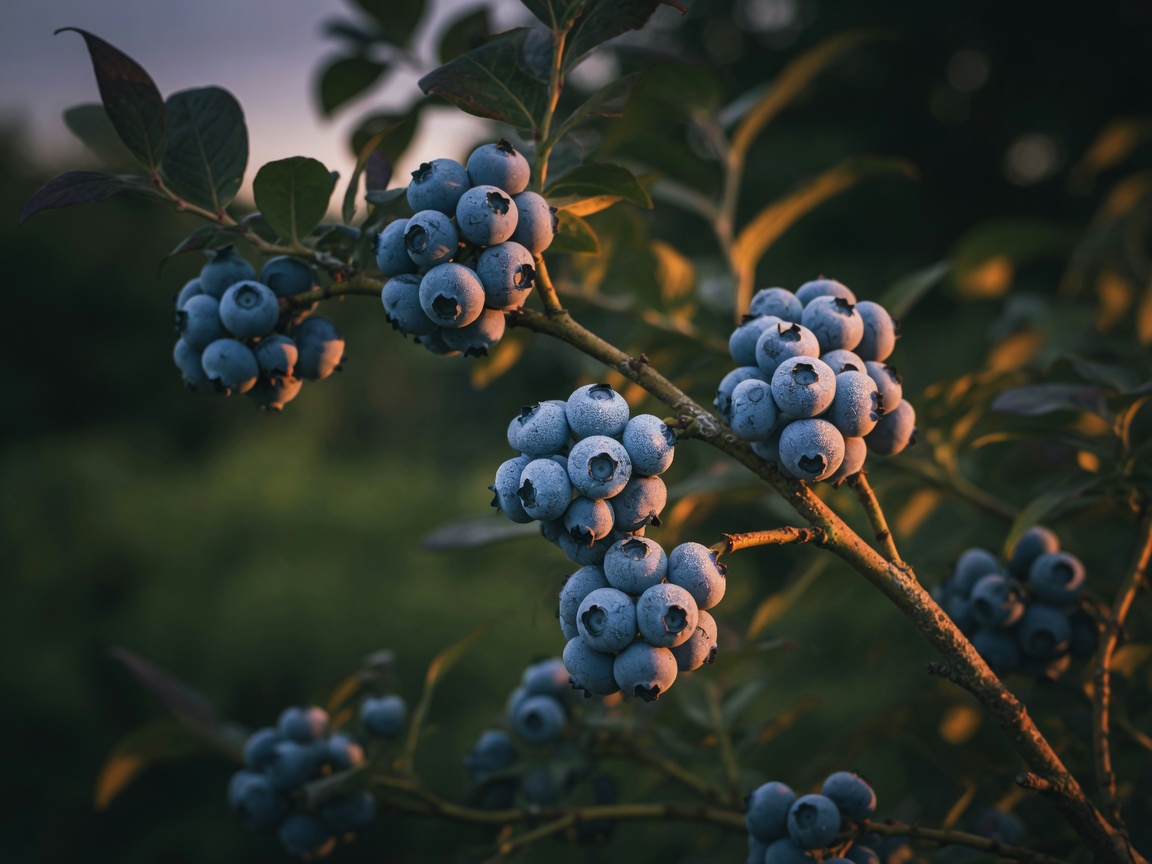
Blueberry
perennialVaccinium corymbosum
Highbush blueberries love Ohio if you give them acid soil (pH 4.5–5.5). They fail in sweet clay without help.
- Plant
- Plant potted bushes in April or October
- Harvest
- June through August, depending on variety
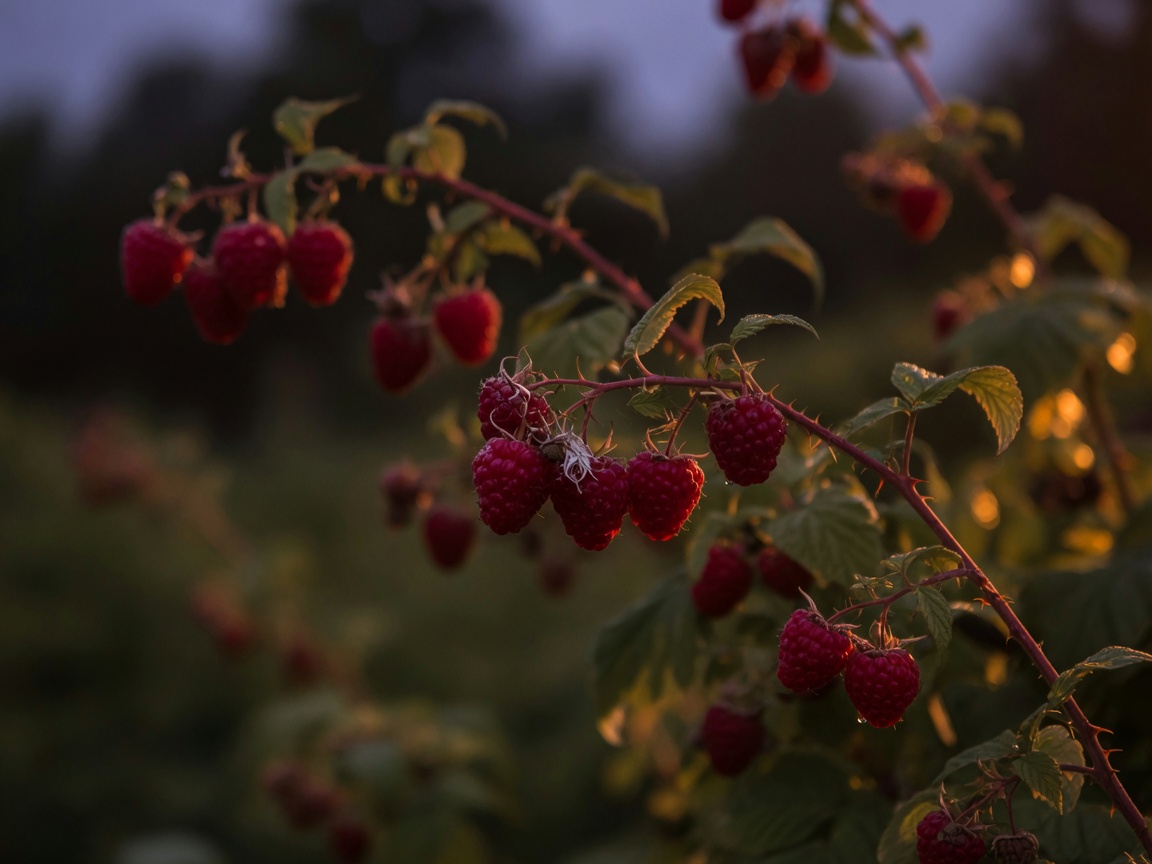
Raspberry
perennialRubus idaeus
Fall-bearing (Heritage, Caroline) are simpler in Ohio: mow the whole patch in late winter and pick only the autumn crop.
- Plant
- Plant canes in April
- Harvest
- June–July for summer-bearing; August–October for fall-bearing
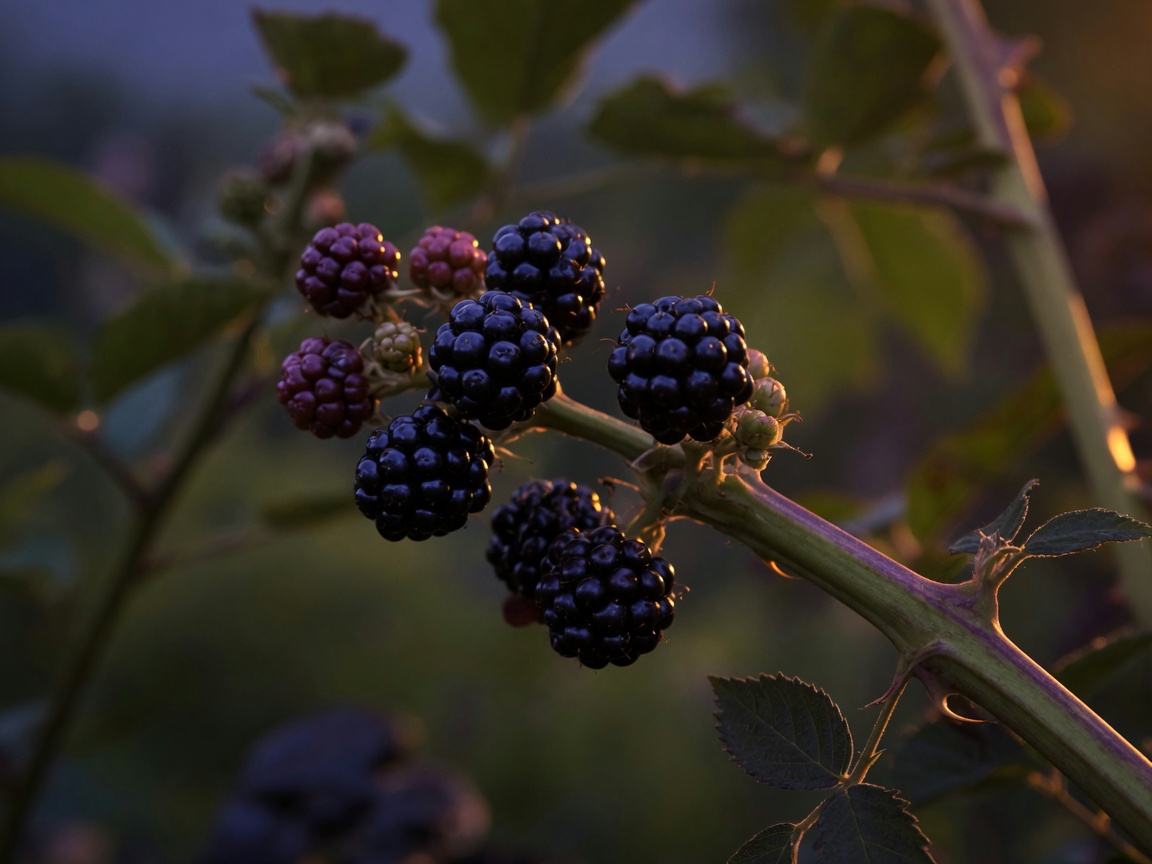
Blackberry
perennialRubus spp.
Thornless erect types (Natchez, Ouachita) are the practical Ohio backyard choice.
- Plant
- Plant in April
- Harvest
- July through August
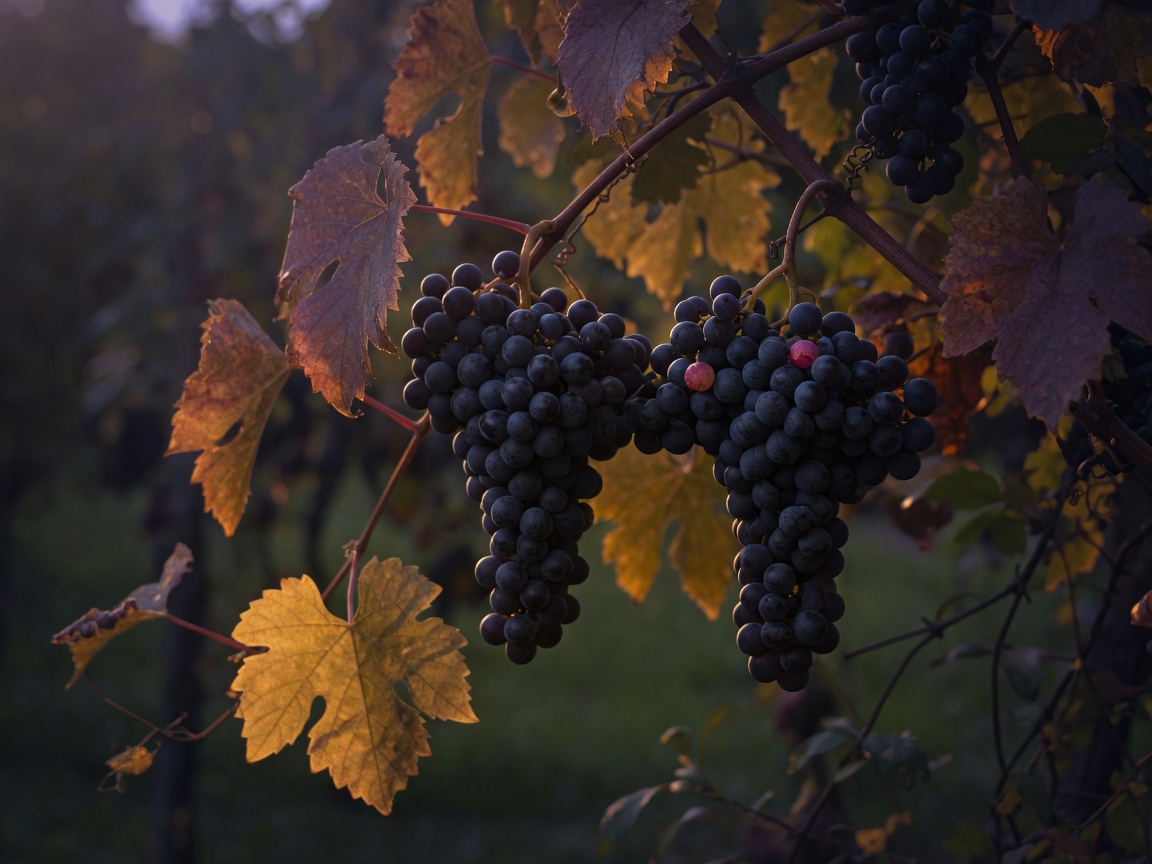
Grape
perennialVitis spp.
Concord, Niagara, and Frontenac handle Ohio winters and humidity better than European wine grapes.
- Plant
- Plant dormant vines in April
- Harvest
- September through early October
Tree fruit
Apples, peaches, pears, and tart cherries.
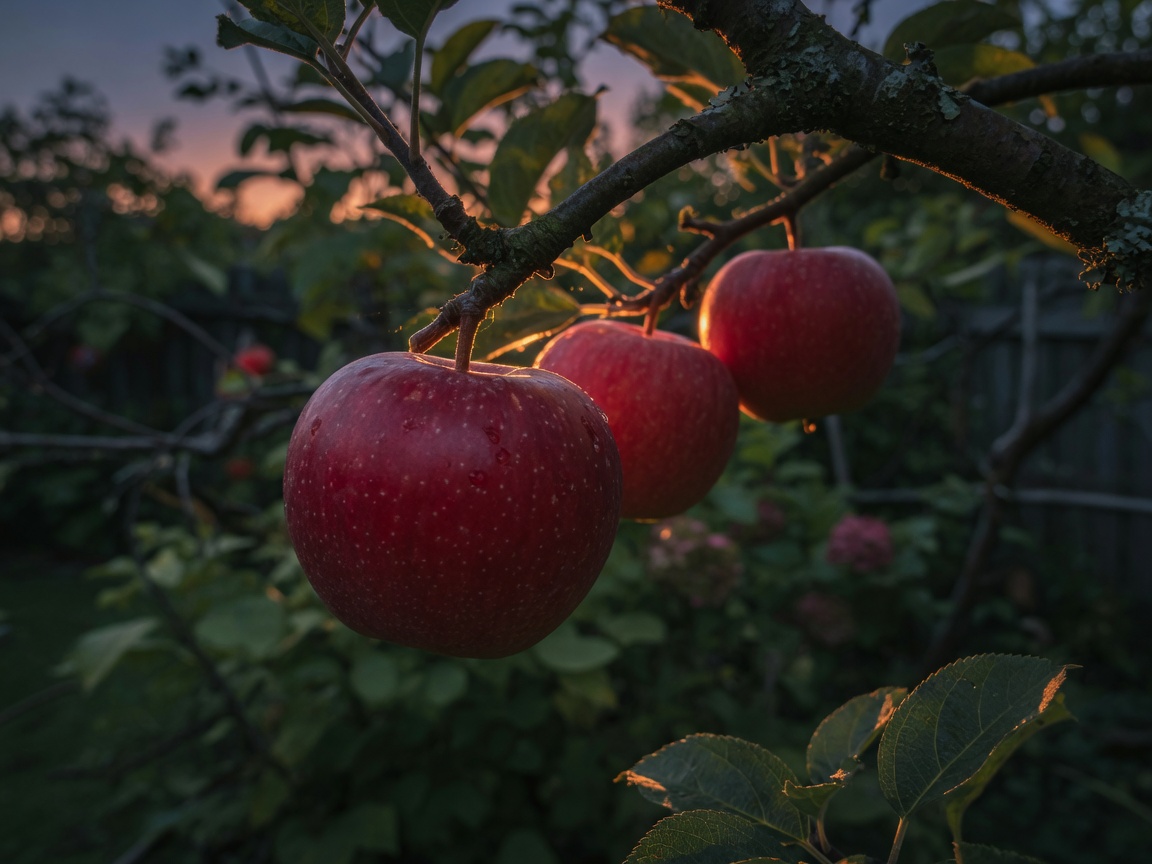
Apple
perennialMalus domestica
Ohio’s signature tree fruit. Plant two varieties for pollination. Liberty, Enterprise, and Honeycrisp (with fire-blight care) are common backyard choices.
- Plant
- Plant bare-root trees in March–April
- Harvest
- August through October, by variety
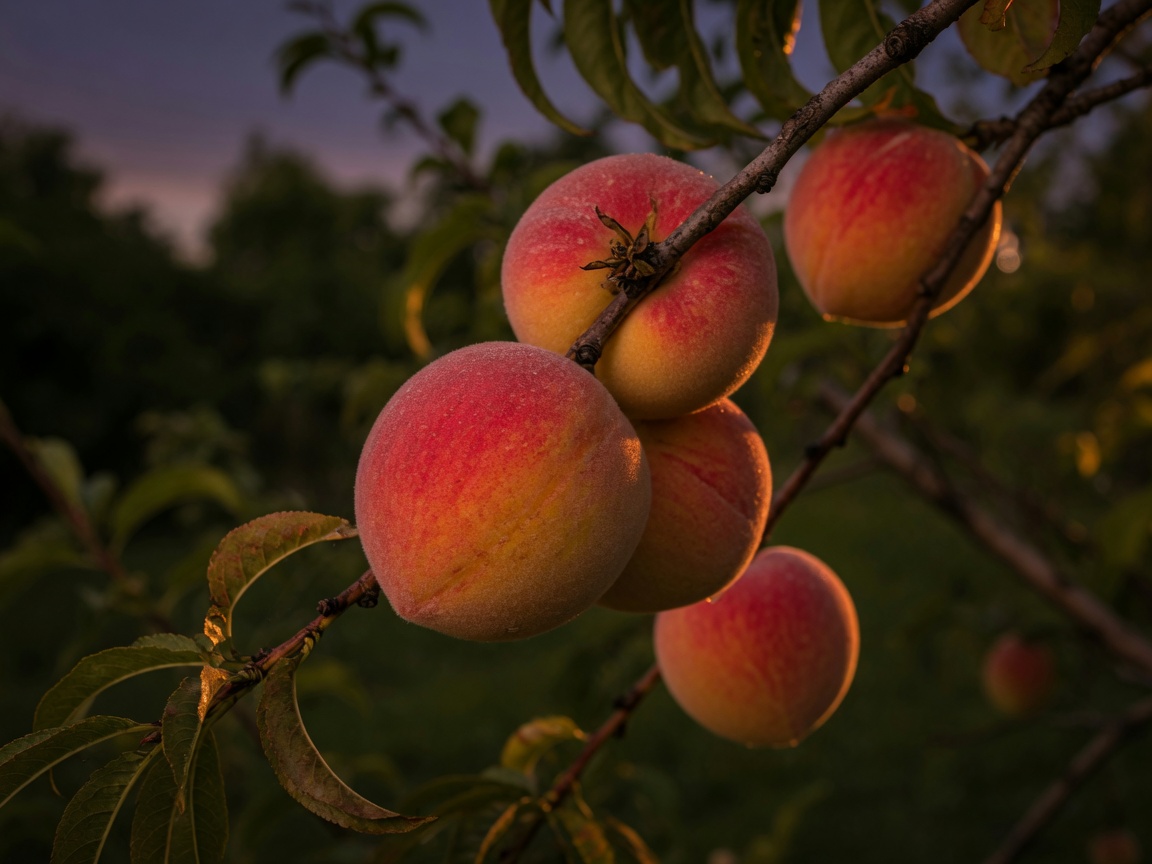
Peach
perennialPrunus persica
Peaches grow in Ohio but late April freezes steal crops some years. Redhaven is the reliable benchmark.
- Plant
- Plant in April; protect blooms from late freezes
- Harvest
- July through August
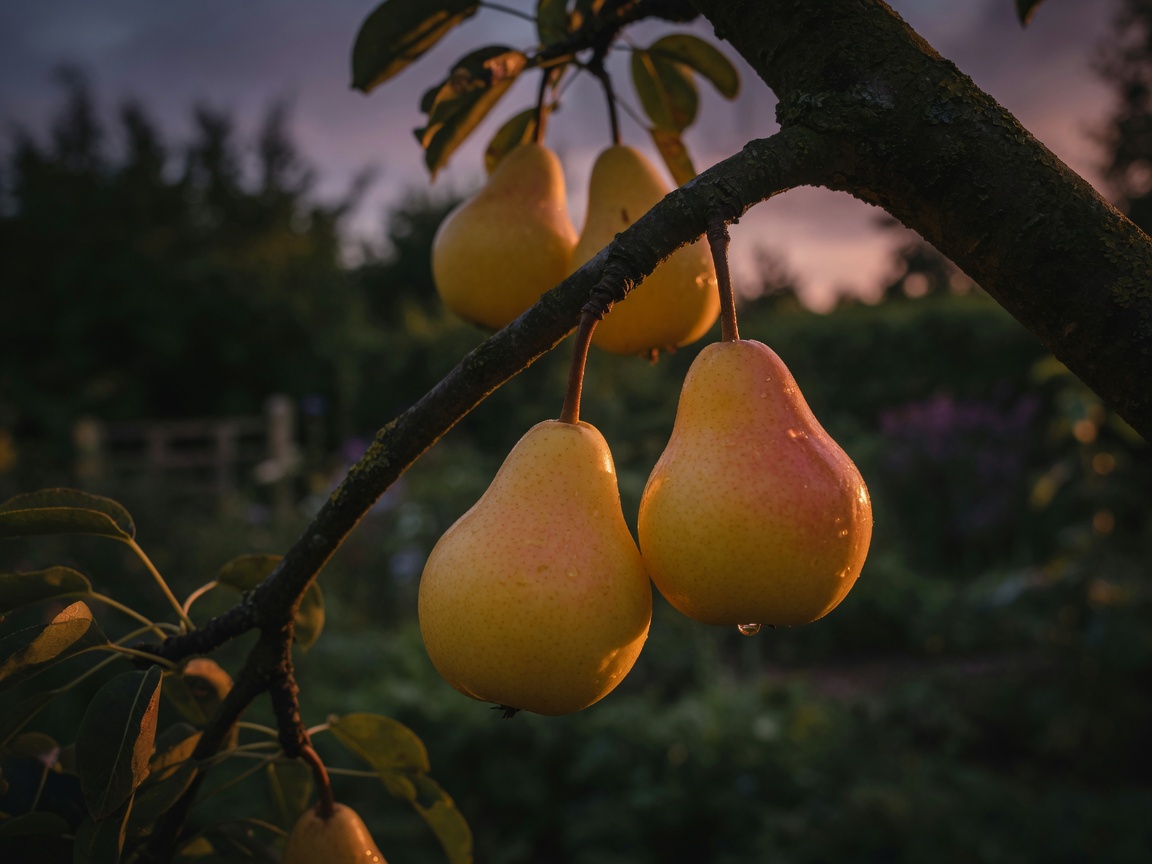
Pear
perennialPyrus communis / P. pyrifolia
More frost-reliable than peaches. Bartlett, Moonglow, and fire-blight-resistant Asian pears all grow in Ohio.
- Plant
- Plant bare-root in April
- Harvest
- August through September; pick European pears firm
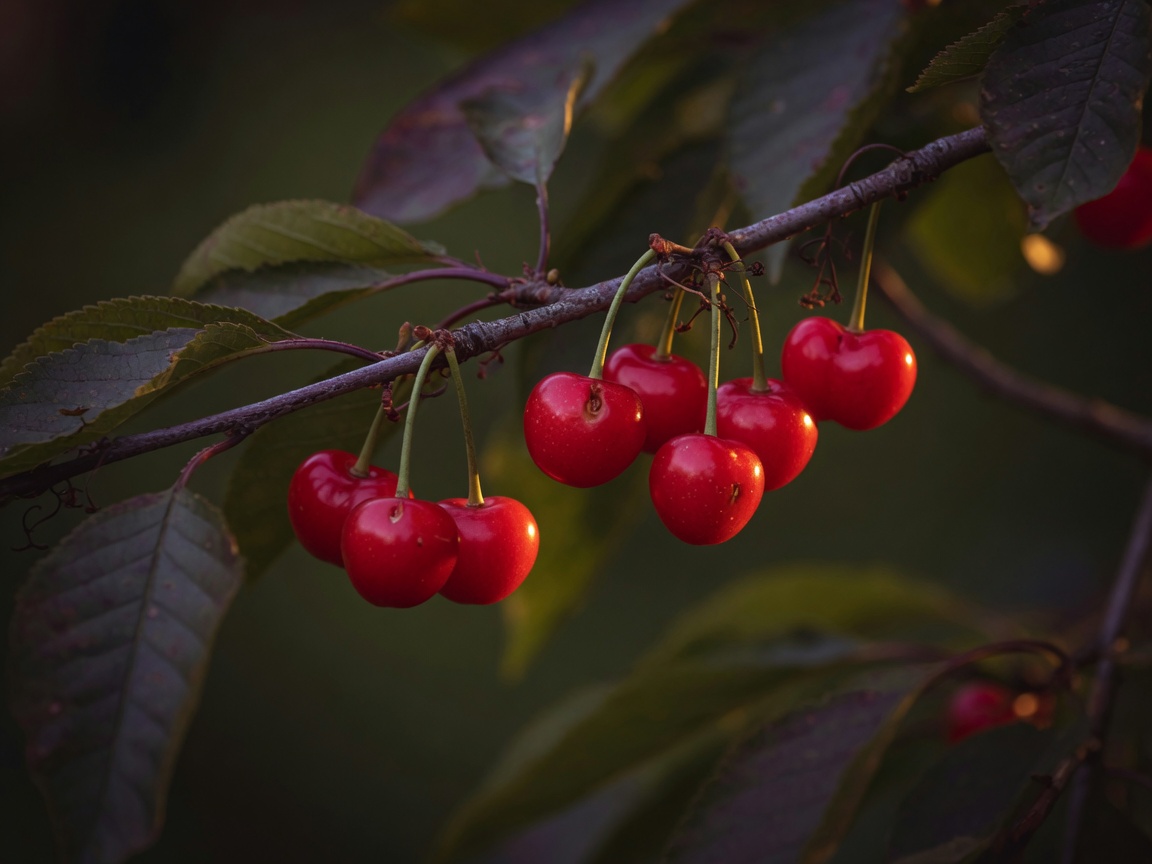
Tart cherry
perennialPrunus cerasus
Montmorency is the pie cherry of the Midwest. More reliable here than sweet cherries, which struggle with disease.
- Plant
- Plant in April
- Harvest
- Late June to early July
Perennials
Plant once: asparagus, rhubarb, and sweet corn as an annual staple.
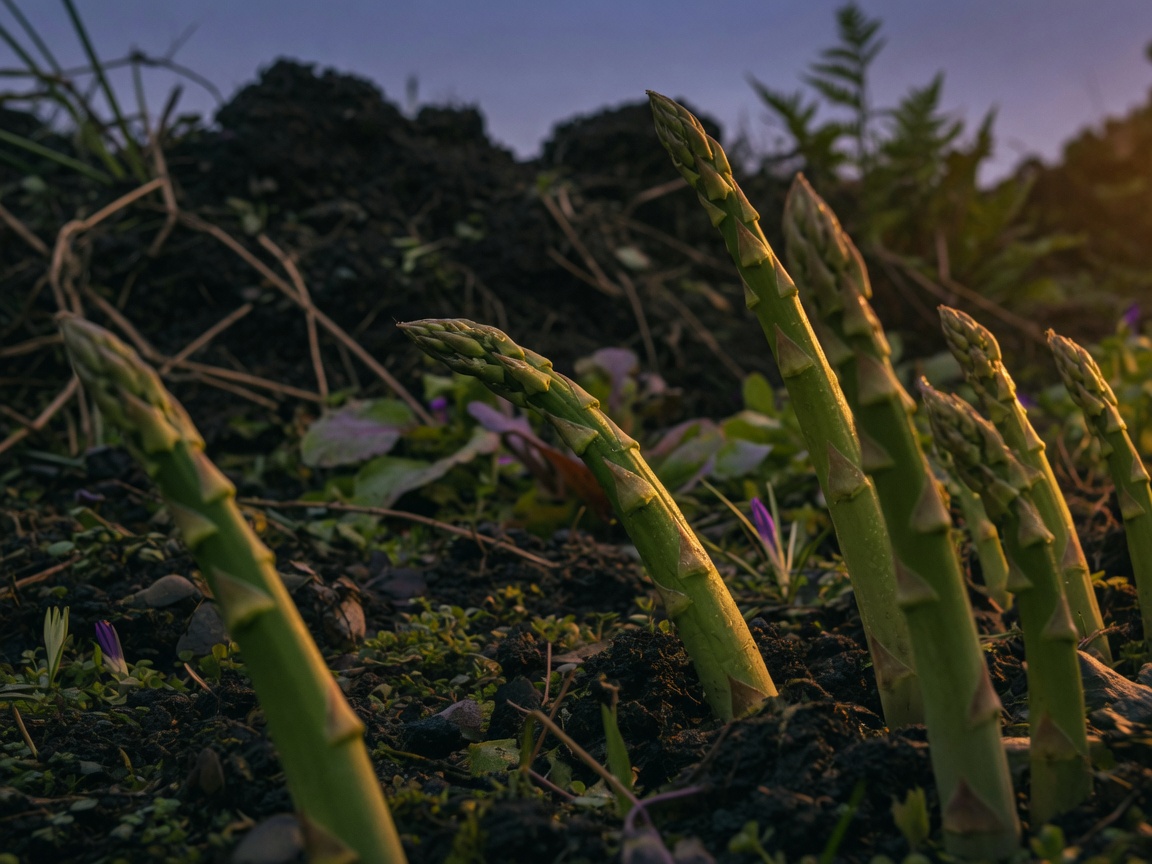
Asparagus
perennialAsparagus officinalis
The first vegetable of an Ohio spring. Plant once, pick for two decades.
- Plant
- Plant crowns in April
- Harvest
- April–June starting year three (light year two)
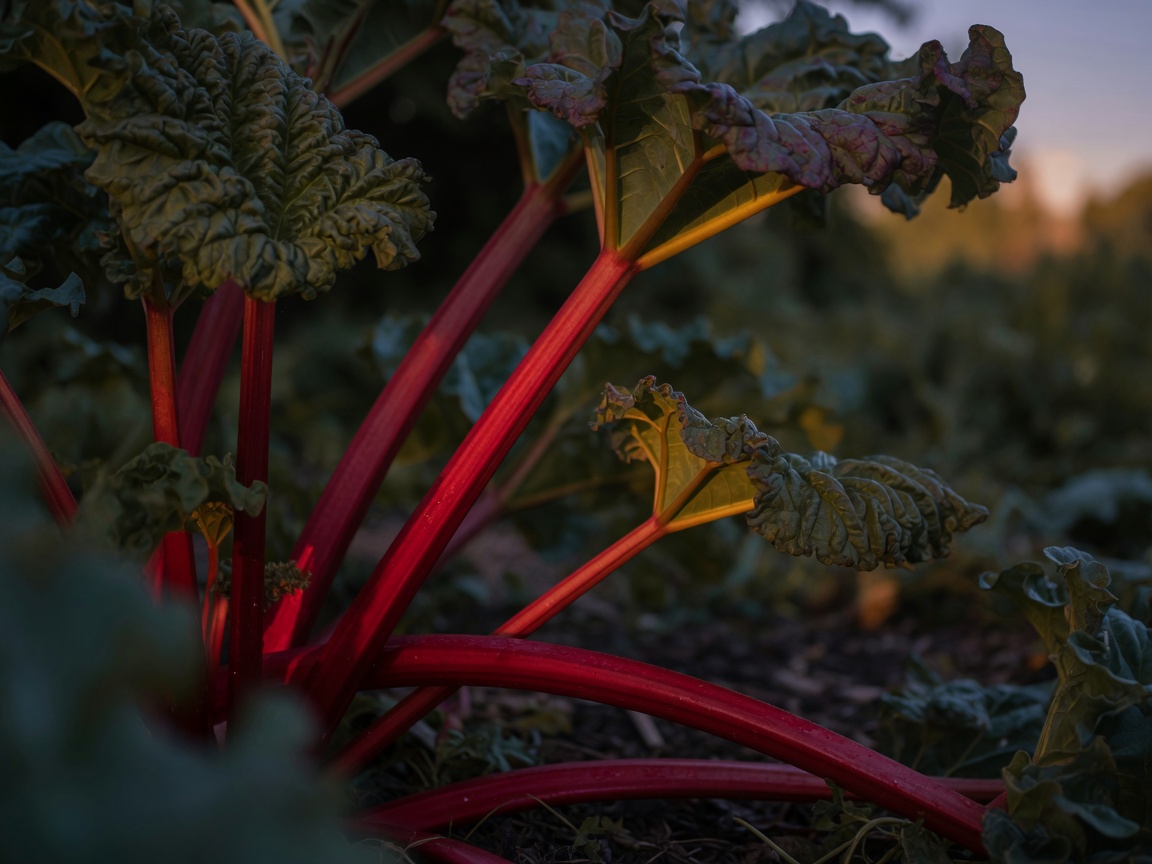
Rhubarb
perennialRheum rhabarbarum
A pie-plant that loves Ohio winters. One clump is enough for a household.
- Plant
- Plant divisions in April or September
- Harvest
- April through June, starting year two
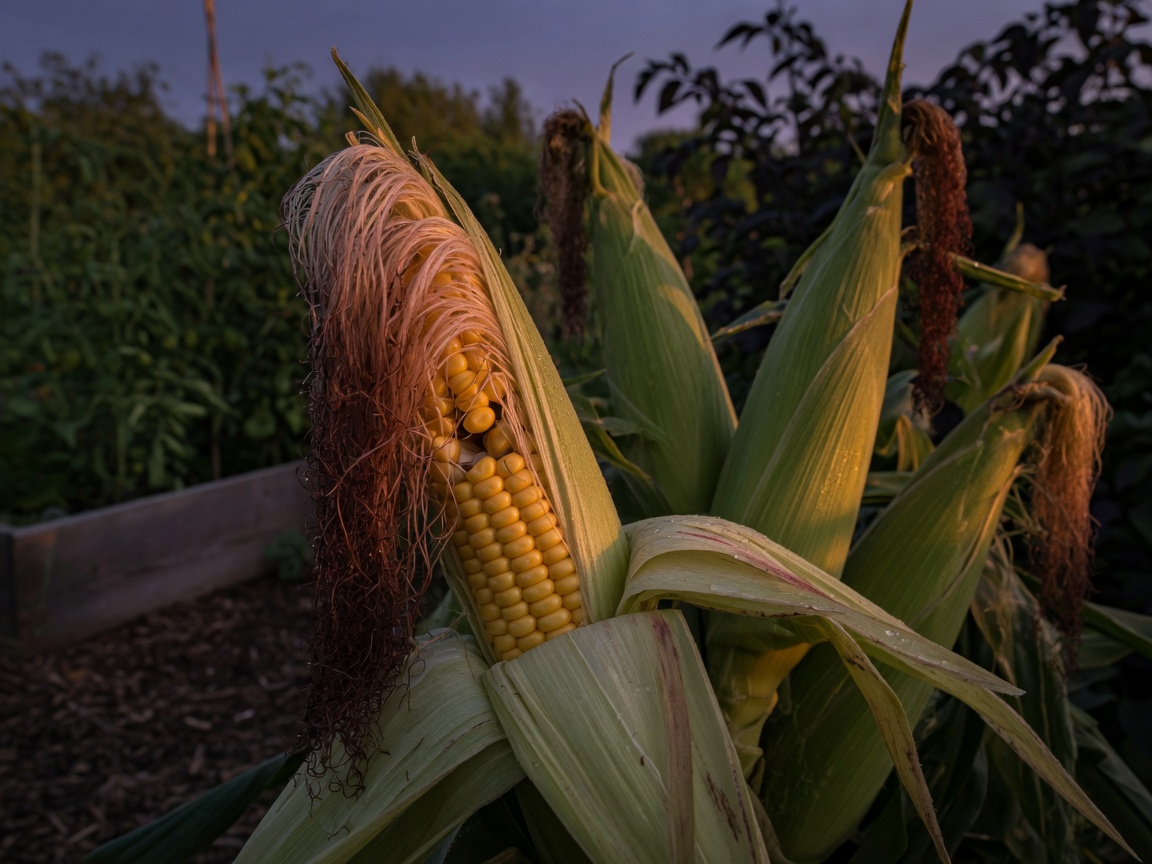
Sweet corn
warmZea mays
Ohio farm-stand crop that works in a backyard if you plant a block, not a single row.
- Plant
- Direct sow mid-May through early July in blocks
- Harvest
- July through September, 18–24 days after silks appear